

Blog
Best Time to Drink Herbal Tea: Morning vs Night

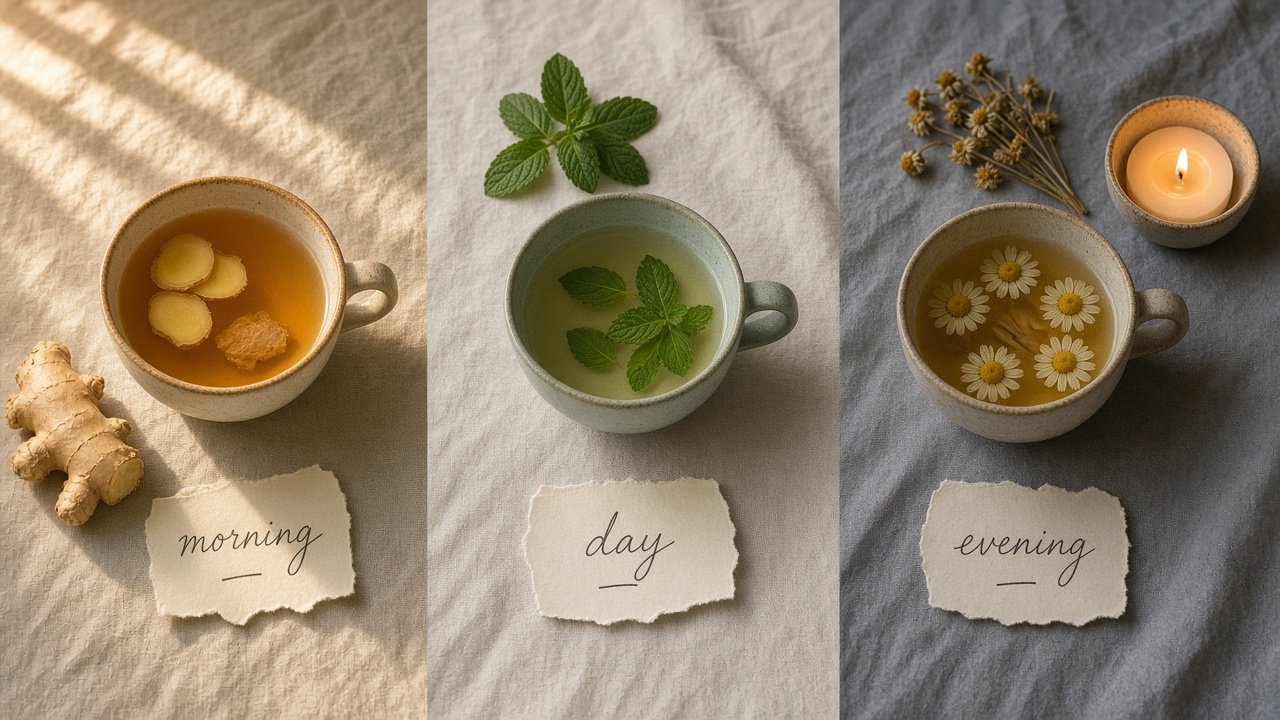
Not all herbal teas are created equal when it comes to timing. Knowing the best time to drink herbal tea for each blend can make your daily habit noticeably more effective, and an evening staple like our Strong Pure Camomile Tea is a good example of a blend that works best at a specific point in the day rather than any time at all.
The Best Time to Drink Herbal Tea, by Time of Day
It’s easy to treat herbal tea as interchangeable — any cup, any time — but different herbs interact with your body’s rhythms differently. Matching the blend to the right part of the day gets you more out of the same cup.
Best Morning Teas
Start the day with something warming and digestion-friendly, like ginger or ginger turmeric tea, to gently wake up your system. These blends pair well with breakfast and help settle the stomach before the day gets going, without the jittery edge that coffee can bring on an empty stomach.
Best Midday Teas
After lunch, a cup of mint or fennel tea can help with digestion and ease any post-meal bloating, keeping you comfortable through the afternoon. This is also a good window for anything you want to drink without worrying about caffeine, since most herbal teas are naturally caffeine-free anyway.

Best Evening Teas
In the evening, reach for naturally caffeine-free, calming blends. Chamomile is one of the best-studied options for this slot — a clinical trial looking at chamomile extract’s effect on sleep found meaningful improvements in sleep quality among participants, which is a big part of why it’s become the default “bedtime tea” recommendation. A mild herbal blend more broadly can help you wind down without disrupting sleep the way caffeine or alcohol might.
Why the Body’s Rhythm Actually Matters Here
Your digestive system and your nervous system both follow daily rhythms — digestion tends to be most active earlier in the day, while your body naturally shifts toward calming down as evening approaches. A warming, digestive tea in the morning works with that rhythm rather than against it, and a calming tea in the evening supports the wind-down your body is already trying to do on its own.
Building a Daily Rhythm
- Morning: warming, digestion-friendly (ginger, turmeric).
- Afternoon: refreshing, bloat-easing (mint, fennel).
- Evening: calming, caffeine-free (chamomile, mild herbal blends).
What if You Only Drink One Cup a Day?
If you’re not building a full three-part routine, the time of day you do drink tea should still guide which one you pick. A single morning cup is better spent on something digestion-focused; a single evening cup is better spent on something calming like chamomile, rather than a stimulating or overly acidic blend that might work against winding down.
Going Deeper on Evening Tea
If sleep quality specifically is what brought you here, our full comparison of herbal sleep tea vs melatonin goes further into the evening routine, including which herbs work through which mechanisms and when melatonin might actually be the better tool instead.
Does It Really Matter That Much?
To be fair, herbal tea is gentle enough that drinking a “morning” blend at night, or vice versa, isn’t going to cause any harm — this is about optimising a habit, not a strict rule. But if you’ve noticed a particular tea doesn’t seem to be doing much for you, timing is one of the simplest, most overlooked variables to adjust before giving up on a blend altogether.
What About Green Tea or Black Tea Timing?
Because green and black tea contain caffeine, they follow different timing rules than the caffeine-free herbal options covered here — best enjoyed earlier in the day, similar to coffee, and generally avoided within several hours of bedtime to avoid disrupting sleep. If you drink both caffeinated and herbal teas, it’s worth keeping the caffeinated ones to the morning and early afternoon specifically.
Adjusting for Your Own Schedule
Not everyone follows a standard 9-to-5 rhythm, and the morning-midday-evening framework here is really about your own day’s structure rather than the clock itself. Shift worker or early riser, the same logic applies: a digestion-focused tea after your first meal, a bloat-easing tea after your largest meal, and a calming tea in the hours before you actually intend to sleep, whatever time that happens to be.
Seasonal Timing Too
Beyond the time of day, the season can shift what feels right. Warming ginger and turmeric teas are especially welcome in colder months, while a chilled mint or hibiscus tea can feel more appropriate as a refreshing choice in summer, even at the same time of day you’d otherwise reach for something warm.
What If You Forget and Drink the “Wrong” Tea?
None of this is a strict rule — herbal tea is gentle enough that having a chamomile in the morning or a ginger tea at night isn’t going to cause any real problem. Think of this guide as a way to optimise an existing habit, not a reason to feel like you’ve done something wrong if your day doesn’t go exactly to plan.
Building the Habit Gradually
If you’re starting from scratch, it’s easier to introduce one time slot at a time rather than trying to overhaul your whole day at once — add an evening chamomile habit first, for instance, and once that’s consistent, layer in a morning or midday tea as well.
A Simple Way to Remember
A useful shorthand: warming and digestive in the morning, refreshing and bloat-easing at midday, calming and caffeine-free in the evening. Once that pattern is familiar, choosing the right tea for the moment becomes second nature rather than something you have to think through each time.
Who Should Be Cautious
Chamomile is generally very well tolerated, though people with allergies to ragweed or related plants should be cautious, as chamomile is part of the same plant family. As always, check with a healthcare provider if you’re pregnant, nursing, or managing a medical condition before making any herbal tea a daily habit.
Explore our full tea range, starting with the Strong Pure Camomile Tea, and build a routine that matches your day, morning to night.
Tracking What Works Best for You
Everyone’s body responds a little differently to timing, so it’s worth paying attention over a week or two to which teas genuinely help you feel better at which times, rather than following this guide as a strict rulebook. Use it as a starting framework and adjust based on what you notice.
Keeping It Simple
If building a three-part daily rhythm feels like too much at once, even picking one consistent evening tea — like chamomile — and sticking with it is a meaningful improvement over no routine at all.
This article is for general wellness information and isn’t a substitute for medical advice.