
Blog
Neem Tea: A Traditional Bitter Herb and How to Brew It

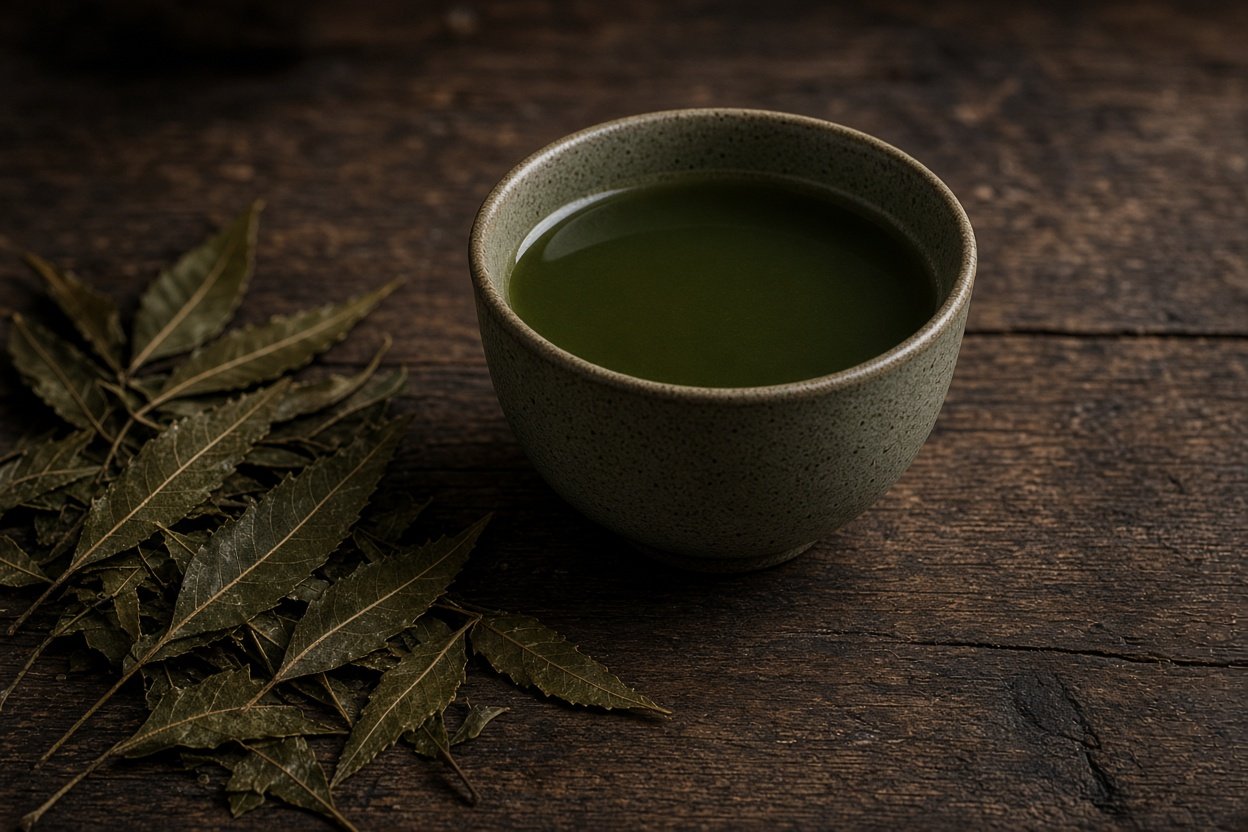
Neem tea is a strongly bitter herbal infusion made from the dried leaves of the neem tree, and the neem tea benefits associated with it come from a plant long used in South Asian households as part of everyday traditional practice.
What Is Neem?
Neem (Azadirachta indica) is a tree native to the Indian subcontinent, where its leaves, bark and seeds have been used in traditional practices for centuries. The leaves are the part most commonly dried and sold for tea, valued as much for their intense bitterness as anything else — neem is one of the most bitter herbal teas you’ll come across.
How to Brew It
- Use a small amount to start — around half a teaspoon of dried neem leaf per cup, given how strong the flavour is.
- Pour freshly boiled water over the leaves.
- Steep for 3 to 5 minutes.
- Strain and drink; many people take it in small sips rather than as a full cup.

Why It’s So Bitter
Neem’s bitterness comes from natural plant compounds concentrated in the leaf, and it’s a flavour some people need to build a tolerance for. A shorter steep or a smaller quantity of leaf will soften the taste if it feels too intense at first. Some people add a little honey to round off the sharpness, though this is a matter of personal taste rather than tradition.
The Neem Tea Benefits People Reach For
Neem has traditionally been valued as part of a broader wellness routine rather than for one single, specific effect — used in traditional South Asian practice alongside other bitter herbs as a general tonic. Its intensity is part of why it’s traditionally taken in small, occasional amounts rather than as an everyday cup like a milder herbal tea.
Shop Neem Tea
Our Strong Neem Tea is a loose leaf blend for those who want to try this traditional bitter tea at home.
Pairing Neem With Other Bitter Traditions
Neem sits within a wider family of traditional bitter herbal teas that includes cerasee and senna, each with its own regional roots but a shared reputation for intensity over comfort. Our guide to cerasee tea covers the Caribbean side of that same bitter-tea tradition, if you want to compare the two.
A Long History
Neem has been part of everyday life across India for generations, used well beyond tea in traditional practices and even in gardens as a natural pest deterrent. You can read more on Wikipedia’s neem entry.
Neem Beyond the Teacup
In traditional practice, neem’s use extends well past tea — leaves, bark, and oil have all been used in different preparations for generations, from skincare to household remedies. The tea form is simply the most accessible way most people encounter the plant today.
What to Expect the First Time
If this is your first cup, expect an intensity that’s genuinely different from most other herbal teas on the market — sharp, green, and unmistakably bitter with almost no sweetness to soften it naturally. It’s worth going in with that expectation rather than anticipating something closer to a mild green or herbal tea.
Comparing Leaf Strength
Not all neem leaf is equally strong — factors like the age of the leaves, how they were dried, and how finely they’re cut all affect bitterness. If a batch tastes overwhelming even at a small dose, cutting the quantity further or shortening the steep time are both reasonable adjustments before assuming the tea itself is too strong for you.
Building a Tolerance Gradually
If neem’s bitterness is new to you, it’s reasonable to start with a much smaller amount of leaf than the standard measure and gradually work up as your palate adjusts. Many bitter herbal teas are described as an “acquired taste” for exactly this reason — the intensity that puts newcomers off is often what regular drinkers come to appreciate once they’re used to it.
A Note on Consistency
Because neem is traditionally used occasionally rather than daily, there’s no need to build it into an everyday routine the way you might with a gentler herbal tea. Many people keep it on hand for specific moments rather than a fixed schedule, reaching for it as part of a broader traditional wellness practice rather than a daily habit.
Who Neem Tea Suits Best
Neem tea tends to appeal most to people already familiar with bitter foods and drinks, or those specifically interested in trying traditional South Asian herbal preparations rather than a mild, easy-drinking cup. If you generally avoid bitter flavours, it’s worth trying a small amount first rather than committing to a full cup straight away.
Pairing Suggestions
If the bitterness on its own is too much even after adjusting quantity and steep time, pairing a small cup of neem tea with a plain biscuit or a piece of fruit afterward is a simple way to ease into the habit without needing to sweeten the tea itself.
Neem in Traditional Skincare Too
Beyond tea, neem has a long history of use in traditional skincare preparations across South Asia, where neem leaf, oil, and bark have all been incorporated into home remedies for generations. This broader traditional role is part of why neem carries such a strong cultural association in South Asian households — it isn’t just a drink, but part of a wider set of traditional practices that many families grew up with. The tea is simply the most common way most people outside those traditions first encounter the plant.
Neem’s Place in a Bitter Tea Rotation
If you enjoy trying different bitter herbal teas, neem tends to sit at the more intense end of the spectrum compared to something like cerasee, which has its own distinct bitterness but a slightly different character. Rotating between a few traditional bitter teas — rather than sticking to just one — is a common way for people building a taste for this style of tea to keep things interesting while their palate adjusts.
Storing Neem Leaf
Dried neem leaf keeps best stored in a sealed, airtight container away from direct sunlight and moisture, much like any other dried herb. Kept properly, it should retain its characteristic bitterness and colour for a good while; a batch that’s lost most of its bitterness or turned pale and dull is generally a sign it’s past its best and worth replacing.
Frequently Asked Questions
Is neem tea caffeine-free?
Yes, it’s naturally caffeine-free.
How much neem tea should I drink?
Given its strength, most people start with a small cup rather than a large one. There’s no single standard amount — go by taste and how you feel.
Can I sweeten it?
Yes, honey is a common addition if the bitterness is too strong on its own.
Is it safe for everyone?
As with any strong herbal tea, if you’re pregnant, breastfeeding, on medication or managing a health condition, check with a healthcare professional before trying it.
Curious to try it? Pick up our Strong Neem Tea and start with a small cup.
This article is for general wellness information and isn’t a substitute for medical advice.