

Blog
Hibiscus Sorrel (Zobo): A West African & Caribbean Favourite

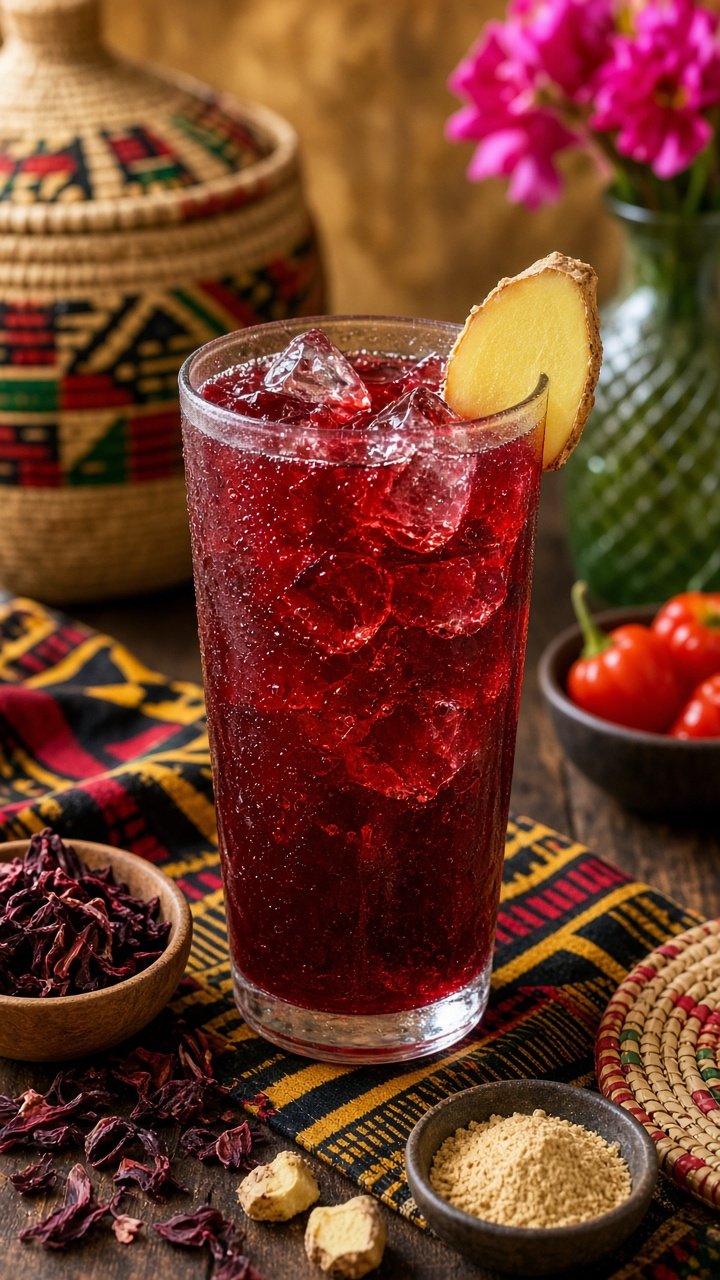
Sorrel, also known as zobo in West Africa, is a deep red drink made from dried hibiscus petals, and the hibiscus sorrel zobo drink is popular across Nigeria, Ghana and the Caribbean, especially around festive occasions.
What Is Sorrel / Zobo?
Despite the name, this isn’t the leafy green vegetable also called sorrel — it’s made from the dried calyces (petals) of the hibiscus flower, specifically Hibiscus sabdariffa. Steeped in hot water, they release a rich red colour and a naturally tart, cranberry-like flavour, which is why the drink is often sweetened and spiced.
How It’s Made
- Simmer dried hibiscus petals in water along with ginger and any spices you like, such as cloves.
- Let it steep and cool, then strain out the petals.
- Sweeten to taste — pineapple or dates are traditional choices for a natural sweetness.
- Serve chilled over ice, as sorrel is most often enjoyed cold.

Shop the Ready-Made Version
Our Spicy Hibiscus Sorrel Zobo is sweetened naturally with date and pineapple, alcohol-free, and ready to drink straight from the bottle — no simmering or straining needed.
Why This Hibiscus Sorrel Zobo Drink Is a Festive Favourite
Beyond its distinctive tart flavour, the deep red colour of a hibiscus sorrel zobo drink makes it a natural centrepiece at gatherings, weddings, and celebrations across West Africa and the Caribbean — it looks as festive as it tastes. Its naturally tart profile also makes it a refreshing alternative to sugary soft drinks at large events.
Hibiscus Beyond the Festive Drink
The same hibiscus flower behind sorrel and zobo also shows up in other blends valued for their tart flavour and vivid colour, including in blood-pressure-focused herbal teas. Our guide to natural blood pressure support tea covers hibiscus’s role in that different, more everyday context, if you’re curious how the same flower is used elsewhere.
Where It Comes From
Zobo is a household name across Nigeria, while the same hibiscus drink appears across the Caribbean as sorrel, especially during the Christmas season. Both trace back to the same hibiscus plant, brought to West Africa and the Caribbean generations ago. Read more on Wikipedia’s Hibiscus sabdariffa entry.
Making It Your Own
While pineapple and dates are the traditional sweeteners, some households add orange peel, cinnamon, or a touch of vanilla to their sorrel or zobo, adjusting the recipe slightly from one family to the next. There’s no single “correct” version — regional and family variations are part of the drink’s charm.
A Drink With Deep Roots
For many Nigerian and Caribbean families, sorrel or zobo isn’t just a drink but a marker of the season — its appearance at a gathering often signals a celebration is underway, in much the same way certain drinks or dishes signal the holidays in other cultures.
Homemade vs Ready-Made
Making sorrel from scratch involves simmering, straining, and sweetening to taste, which some households enjoy as part of the preparation ritual itself, particularly around festive occasions. A ready-made version trades that ritual for convenience, which suits anyone who wants the flavour without setting aside the time to simmer and strain a batch at home.
Pairing It With Food
Sorrel and zobo are commonly served alongside rich, spiced festive dishes, where their tartness cuts through heavier flavours in a similar way sparkling or acidic drinks do at other celebrations. It’s a natural pairing for jollof rice, fried plantain, or a Christmas spread more broadly.
A Drink That Travels Well
Because sorrel and zobo are traditionally served cold and can be made well ahead of time, they travel easily to potlucks, family gatherings, and celebrations held away from home — poured into a large bottle or flask, the drink holds up for a day or two chilled without losing much of its character. This portability is part of why it’s such a common sight at large West African and Caribbean gatherings rather than something only made and served at home.
A Note on Sweetness
Traditional versions vary widely in how sweet they are, from barely-sweetened to quite sugary depending on the household. Our version uses date and pineapple specifically to keep the sweetness natural rather than relying on refined sugar, while still capturing the festive character of the traditional drink.
Christmas, New Year, and the Zobo Connection
In Nigeria especially, zobo is closely tied to Christmas and New Year celebrations, appearing at family gatherings alongside jollof rice, fried chicken, and other festive dishes in much the same way eggnog or mulled wine might appear at a Western Christmas table. Its deep red colour and refreshing tartness make it a natural fit for a table already full of rich, heavily spiced food, cutting through those flavours rather than adding to them.
Sorrel’s Caribbean Christmas Tradition
Across the Caribbean, sorrel plays a nearly identical seasonal role, often prepared in large batches ahead of Christmas and sometimes left to infuse with ginger, cloves, and a splash of rum for the adult version served at gatherings. Non-alcoholic versions, like the ready-made drink in our shop, are just as common and are what most households serve to children and anyone who prefers to skip the rum.
The Hibiscus Flower Behind Both Drinks
Hibiscus sabdariffa, the specific hibiscus variety used for both sorrel and zobo, is grown widely across West Africa, and its dried calyces are traded well beyond the region as both a festive drink ingredient and a flavouring for other hibiscus-based teas and blends. Its natural tartness and deep colour are what make it so versatile — the same base ingredient shows up in everything from a Christmas punch to an everyday hibiscus tea blend.
Serving Sorrel and Zobo at a Gathering
Because both drinks are traditionally served cold and in fairly large batches, they’re well suited to gatherings where guests serve themselves throughout the evening rather than being poured individual cups. A large jug or punch bowl, kept chilled or over ice, is the traditional presentation at most Nigerian, Ghanaian, and Caribbean celebrations where the drink appears.
Frequently Asked Questions
Does sorrel/zobo contain caffeine?
No, hibiscus is naturally caffeine-free.
What does it taste like?
Tart and fruity, similar to cranberry juice, with warmth from the ginger and any added spices.
Is it served hot or cold?
Traditionally cold, over ice, though there’s nothing stopping you from trying it warm.
Is it the same as regular hibiscus tea?
It’s made from the same hibiscus flower, but sorrel/zobo is typically more heavily spiced and sweetened, closer to a festive drink than a plain tea.
Ready to try it without the simmering and straining? Pick up our Spicy Hibiscus Sorrel Zobo and serve it chilled.
This article is for general wellness information and isn’t a substitute for medical advice.