

Blog
Noni Ginger Tea: An Unusual Pairing Worth Knowing

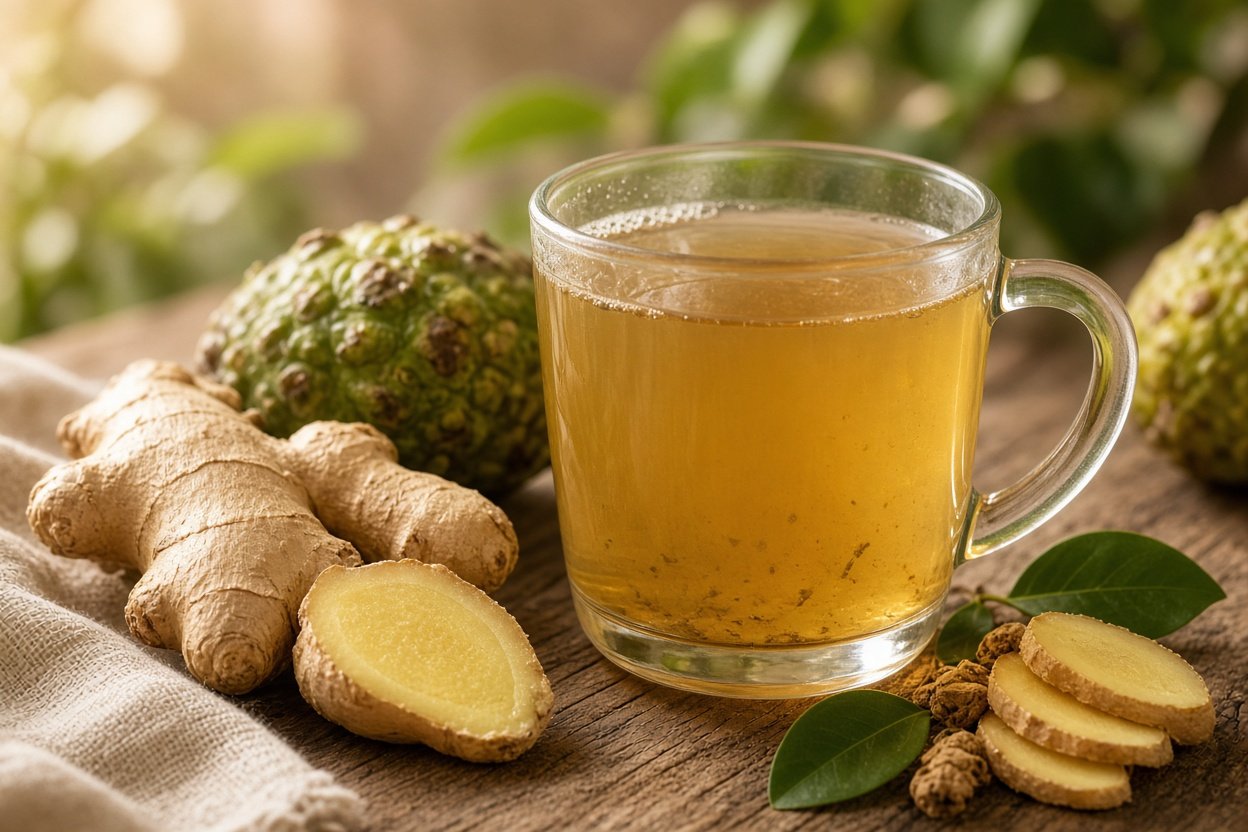
Noni ginger tea combines noni, a fruit from the Pacific Islands and Southeast Asia, with ginger, and the noni ginger tea benefits of this pairing come largely from how much more approachable ginger makes an otherwise strong-tasting fruit.
What Is Noni?
Noni (Morinda citrifolia) is a fruit that grows across the Pacific Islands, Southeast Asia and parts of the Caribbean, where it has a long history of traditional use. On its own, noni has a strong, distinctive taste, which is why it’s often blended with other ingredients like ginger for tea.
Why Pair It With Ginger?
Ginger’s warmth and mild heat balance noni’s more intense flavour, making the tea easier to drink regularly. It’s a similar principle to why ginger is paired with turmeric or lemon in other herbal blends — it rounds out flavours that are strong on their own.

How to Brew It
- Use one teaspoon of the blend per cup.
- Pour freshly boiled water over it and cover.
- Steep for 5 to 7 minutes.
- Strain and drink warm.
Shop Noni Ginger Tea
Our Noni Ginger Herbal Tea is a 100% natural, caffeine-free blend combining both ingredients in one loose leaf tea.
The Noni Ginger Tea Benefits of the Pairing
Beyond flavour, pairing noni with ginger reflects a broader pattern in herbal tea formulation — a strong, distinctive ingredient softened and made more approachable by a familiar, warming one. Ginger’s own reputation for digestive comfort means the pairing does more than just improve the taste; it makes noni easier to include in a regular routine at all.
Comparing It to Other Ginger Pairings
Noni is just one of several ingredients ginger is commonly blended with to soften a stronger flavour or add a specific benefit. Our guide to ginger turmeric tea benefits covers a more widely known example of the same principle, if you want to compare how ginger works across different pairings.
A Pacific Island Fruit
Noni has been part of traditional practice across Polynesia and Southeast Asia for centuries, valued as one of the region’s most widely used plants. Read more on Wikipedia’s noni entry.
What Noni Tastes Like Without Ginger
Tried on its own, noni’s flavour is often described as pungent and an acquired taste, closer to a strong cheese or fermented fruit note than a typical sweet fruit flavour. This is exactly why it’s rarely sold as a standalone tea and almost always blended with something to round it out.
Where This Pairing Is Most Common
Noni and ginger blends are most familiar in parts of the Pacific and Southeast Asia, where both ingredients are already commonly used separately. Bringing them together into one tea is a natural extension of ingredients that were already part of the same regional pantry.
A Gradual Introduction
If noni is completely new to you, this blend is a reasonable way to try it without committing to the fruit’s full, unblended intensity. Starting here rather than with pure noni juice or extract gives you a gentler introduction to a flavour that takes some getting used to.
How Noni Ginger Compares to Other Fruit Teas
Most fruit-based herbal teas lean sweet and mild — hibiscus, berry blends, or a simple apple and cinnamon cup — which makes noni ginger tea something of an outlier in that category. Its stronger, more distinctive flavour profile puts it closer to a specialty or acquired-taste tea than a crowd-pleasing fruit blend, which is worth knowing going in if you’re used to sweeter fruit teas and expect something similar here.
Serving Suggestions
Noni ginger tea works well on its own, but a small amount of honey or a squeeze of lemon can round out the flavour further for anyone who finds the combination still a little strong at first. As with most blended teas, a slightly longer steep intensifies the flavour rather than making it milder, so adjust steeping time down rather than up if it feels too much.
A Tea Worth Approaching With an Open Mind
Noni ginger tea rewards a bit of patience from anyone trying it for the first time — it isn’t designed to taste immediately familiar the way a mint or camomile tea might, and going in expecting something distinctive rather than mild tends to lead to a better first impression than expecting a typical, easy-drinking cup.
Who Might Enjoy This Blend
This tea tends to suit people who already enjoy trying unusual or less common herbal teas, rather than those looking for the mildest possible introduction to herbal tea generally. If you’ve enjoyed other distinctive blends on this site, noni ginger is a reasonable next one to try.
Noni’s Traditional Reputation in the Pacific
Across Polynesia and parts of Southeast Asia, noni has a long-standing traditional reputation as one of the most widely used plants in the region, with virtually every part of the tree — fruit, leaf, bark and root — put to some traditional use over the centuries. The fruit itself is the part most commonly associated with drinks and tonics today, though its intensity means it’s rarely consumed on its own outside of traditional preparations that have developed specific ways of handling that strength.
Why Blending Is the Norm With Noni
Very few noni products on the market are sold as pure, unblended noni, and that’s largely a practical decision rather than a traditional one — pairing it with a more familiar, palatable ingredient like ginger is simply the most effective way to make the fruit’s benefits accessible to a wider audience without asking people to get used to an intense flavour first. This mirrors how several other strong-tasting traditional ingredients on this site, from neem to black seed, are often introduced through a blend rather than in their most concentrated form.
Building Noni Ginger Tea Into a Routine
Because the tea is naturally caffeine-free, it can be worked into a routine at more or less any point in the day without worrying about affecting sleep. Many people find a single cup after a meal works well, given ginger’s traditional association with digestive comfort, though there’s no fixed rule dictating when it should be drunk — it’s flexible enough to fit wherever suits your day.
Frequently Asked Questions
Is noni ginger tea caffeine-free?
Yes, it’s naturally caffeine-free.
What does noni taste like on its own?
It has a strong, slightly pungent flavour that’s an acquired taste for many, which is why it’s usually blended rather than drunk alone.
How does the ginger change the flavour?
It adds warmth and a mild spiciness that softens noni’s more intense notes, making the overall cup easier to enjoy.
Can I drink it daily?
Many people do enjoy it as part of a regular routine. As with any herbal tea, check with a healthcare professional first if you have a health condition or take medication.
Curious to try this unusual pairing? Explore our Noni Ginger Herbal Tea and see how the two work together.
This article is for general wellness information and isn’t a substitute for medical advice.