Blog
Slimming Tea 101: What Herbal Weight-Loss Tea Can (and Can’t) Do

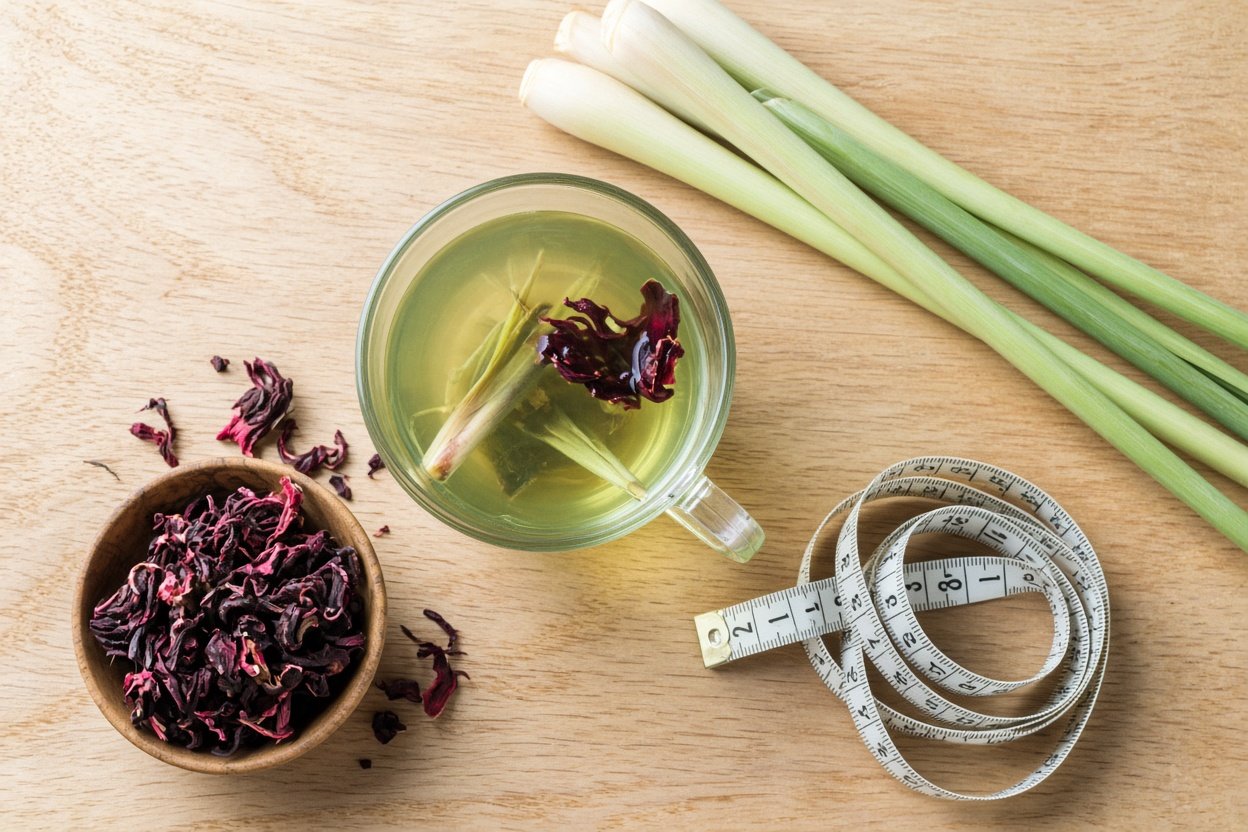
A good herbal weight-loss tea — often just called a slimming tea — has quietly become one of the most searched wellness terms of the year, riding the same wave of interest that’s driven people toward GLP-1 medications like Ozempic. Most people typing that search aren’t chasing a miracle — they’re looking for something to support a routine they’re already trying to build.
It’s worth being upfront: herbal tea doesn’t work like a prescription appetite suppressant, and no tea on its own will undo an otherwise unbalanced diet. What it can do is support a few of the everyday mechanics of weight management — metabolism, water retention, cravings — as part of a routine you actually stick to.
What’s in a Herbal Weight-Loss Tea
Our Super Slimming Tea is built around green tea, hibiscus, ginger, bitter melon, gymnema sylvestre, stevia, lemongrass, lemon peel, Garcinia cambogia, and jamun seed — a wider blend than most single-herb slimming teas on the market. Notably, it’s formulated without senna leaf, which a lot of “detox” and slimming teas lean on for a laxative effect. That’s a deliberate choice: senna dependence can become a habit the body relies on, which isn’t a sustainable basis for a daily tea.

The Research Behind the Ingredients
- Green tea — the best-studied ingredient here. A meta-analysis published in the International Journal of Obesity found green tea catechins were associated with modest reductions in body weight and improved weight maintenance.
- Gymnema sylvestre — traditionally used to blunt sugar cravings by temporarily dulling the perception of sweetness on the tongue.
- Bitter melon — a fibre-rich fruit associated with healthier post-meal blood sugar response, which indirectly supports appetite regulation.
- Hibiscus — adds tartness and is often included for its mild diuretic reputation, which is part of why slimming teas are linked to reduced water retention rather than fat loss specifically.
- Lemongrass and ginger — mostly here for digestion and flavour, easing the bloating that often gets mistaken for weight gain.
One Important Warning
If you’re already drinking our Super Gluco Blocker Tea or taking GlucoBlocker Capsules, don’t add this one into the same routine — both blends work on blood sugar regulation, and stacking them isn’t recommended. Pick one, not both, and speak to a pharmacist if you’re unsure which fits your situation.
How to Actually Drink It
The standard approach is one teabag in the morning and one at night, steeped for a few minutes in freshly boiled water, with a hard ceiling of five teabags in any 24-hour period. It’s not something to sip all day like a regular herbal tea — treating it that way won’t speed anything up, and it isn’t how the blend is designed to be used.
Most people notice it works best paired with an actual routine change — drinking a cup instead of a sugary drink, or before a meal instead of reaching for a snack — rather than as a stand-alone fix layered on top of everything staying the same.

Slimming Tea vs the GLP-1 Conversation
It’s a fair comparison to draw, because it’s clearly what’s driving a lot of the search interest — but it’s an unfair comparison to lean on for marketing, so here’s the honest version. GLP-1 medications work pharmacologically on appetite hormones and are prescribed and monitored by a doctor. A slimming tea works on a much gentler, slower level: mild diuretic effects, appetite-taming bitterness, a metabolism nudge from green tea’s catechins, and — just as importantly — the psychological win of a daily ritual that replaces a less healthy habit. Neither is “better” in the abstract; they’re solving different problems for different people.
Realistic Expectations
A herbal weight-loss tea isn’t a shortcut, and if you’re looking for a dramatic before-and-after in two weeks, a herbal tea isn’t the right tool for that job — and you should be skeptical of anything that promises otherwise. What’s realistic is a slight reduction in bloating within days, less appetite for sugary snacks within a couple of weeks of consistent use, and a supporting role in a weight goal you’re already working toward through diet and activity. If you want a lighter, everyday alternative to sip alongside your routine rather than a targeted blend, our Strong Green Tea is a simpler option with the same catechin base.
For more on where digestion and bloating fit into all of this, our guide to the best herbal teas for digestion covers the gentler end of the same problem.
Ready to try it? Pick up the Super Slimming Tea and build it into your routine one cup at a time.
This article is for general wellness information and isn’t a substitute for medical advice. Do not combine this tea with other blood-sugar-regulating teas or supplements, and speak to your doctor if you are pregnant, nursing, or managing a medical condition.