

Blog
Best Herbal Teas for Digestion (Ginger, Mint & More)

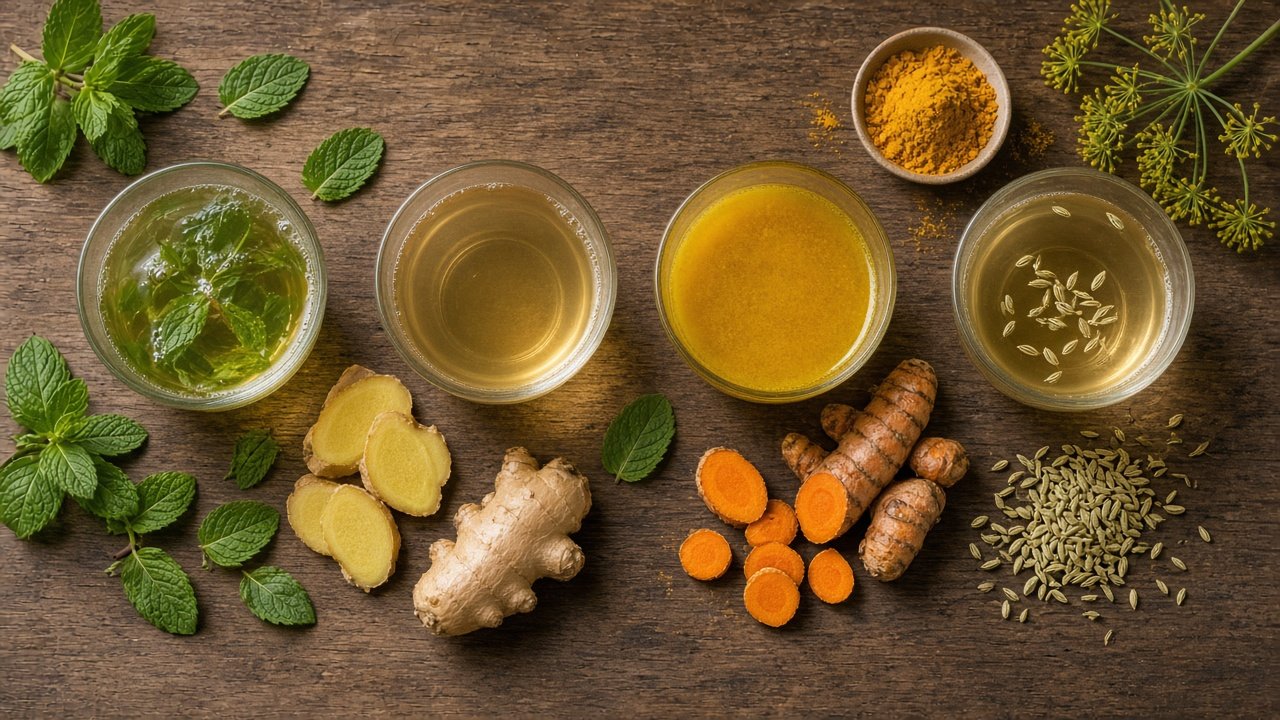
Long before digestive supplements lined pharmacy shelves, herbal tea was the go-to remedy for an uneasy stomach. The best herbal teas for digestion haven’t really changed in centuries — ginger, mint, turmeric, and fennel still do the heavy lifting — and blends like our Strong Lemon and Ginger Tea and Strong Pure Peppermint Tea remain two of the simplest, most reliable options for it.
The Best Herbal Teas for Digestion, Explained
Herbal tea’s appeal for digestion comes down to a mix of gentle plant compounds and the simple act of drinking something warm slowly after eating — both play a role in why a cup after a meal genuinely helps.
Ginger Tea
Perhaps the most well-known digestive herb, ginger has a long history of settling upset stomachs and easing nausea. An overview of systematic reviews found consistent evidence supporting ginger’s effect on nausea and related digestive discomfort across a wide range of studies. A cup after a heavy meal is a simple, effective habit worth building.
Peppermint Tea
Mint is known for its ability to relax the digestive tract, which can help ease bloating, gas, and general discomfort after eating. A review of the physiological effects of peppermint oil found it effective for irritable bowel syndrome and other functional digestive disorders, largely through its antispasmodic effect on the gut. Peppermint tea offers a gentler version of the same mechanism, and its refreshing flavour makes it one of the easiest herbal teas to enjoy daily.

Turmeric Tea
Alongside its broader wellness reputation, turmeric has traditionally been used to support healthy digestion when taken regularly. It’s often paired with ginger or black pepper for both flavour balance and better absorption of its active compound, curcumin.
Fennel Tea
Fennel seed tea is another traditional remedy for bloating and trapped gas, often used after meals in various culinary traditions, from Indian thali service to European after-dinner digestifs. Its slightly sweet, aniseed flavour makes it an easy addition to rotate in alongside the other options here.
How These Teas Actually Work
Most of the herbs on this list share a common mechanism: they gently relax the smooth muscle of the digestive tract, which can ease the cramping, tightness, and trapped gas that cause bloating and discomfort. That’s different from a laxative effect — these teas aren’t pushing things through faster, they’re easing the tension that makes digestion feel uncomfortable in the first place.
Building a Digestive Tea Habit
- Drink a cup 20–30 minutes after eating for best results, rather than sipping during the meal itself.
- Rotate between blends to keep things interesting and cover slightly different ingredients.
- Stay consistent — herbal teas work best as a regular habit, not a one-off fix reached for only when discomfort is already severe.
- Steep for the full 5–8 minutes recommended for each herb — a rushed steep means a weaker effect.
Mint Deserves Its Own Deep Dive
Because mint tea does so much on its own — digestion, bloating, and even fresher breath — it’s worth reading our full breakdown of mint tea benefits if that’s the herb that appeals to you most from this list.
When to Drink Which One
If you tend to feel nauseous or unsettled rather than bloated, ginger is usually the better first choice. If bloating and gas are the main complaint, peppermint or fennel tend to work faster. Turmeric is more of a background, cumulative habit than a quick fix for an uncomfortable moment — better suited to daily use than an emergency cup after a difficult meal.
Combining Ingredients in One Blend
Rather than brewing four separate teas across the week, some blends combine two or more of these digestive herbs into one cup — a ginger-mint or ginger-fennel blend, for example, covers more ground in a single steep. This can be a practical way to get variety without needing to stock four separate boxes in your cupboard.
What About Green Tea or Black Tea for Digestion?
Caffeinated teas like green or black tea aren’t typically recommended specifically for digestive discomfort — caffeine can actually aggravate acid reflux and, in sensitive people, contribute to a jittery stomach feeling that mimics digestive upset. If digestion is your main concern, a caffeine-free herbal option from this list is generally the better choice, saving caffeinated tea for when you specifically want the alertness boost.
Is It the Tea or the Ritual?
It’s worth acknowledging that some of the benefit from an after-meal tea habit likely comes from the ritual itself — pausing, sitting down, and drinking something warm slowly rather than rushing straight from the table to the next task. That doesn’t diminish the herbs’ own effects, but it does mean the habit around the tea matters almost as much as which herb is in the cup.
Digestive Tea for Travel
Unfamiliar food, irregular meal times, and travel stress are a common recipe for digestive discomfort. Packing a few ginger or peppermint tea bags for a trip is a simple, lightweight way to have a familiar remedy on hand when your usual routine is disrupted.
A Simple Weekly Rotation
If you want structure rather than picking randomly each evening, try ginger after heavier or richer meals, peppermint after anything particularly filling or rich in dairy, turmeric as a daily background habit regardless of what you ate, and fennel as an easy default whenever you’re not sure which to reach for. It’s a simple system that covers most situations without overthinking it.
When Herbal Tea Isn’t Enough
If digestive discomfort is a daily occurrence rather than an occasional post-meal feeling, herbal tea is worth keeping in the routine, but it’s also a signal to look at the bigger picture — meal timing, portion sizes, specific trigger foods, or stress levels — rather than relying on tea alone to manage a pattern that keeps recurring.
Who Should Be Cautious
Peppermint can worsen symptoms for people with acid reflux in some cases, since it relaxes the same muscle that keeps stomach acid down. Ginger and turmeric are generally well tolerated, but turmeric can interact with blood-thinning medication. If digestive discomfort is severe, persistent, or unusual for you, it’s worth seeing a doctor rather than relying on tea alone.
Explore our full range of digestion-friendly herbal teas, starting with the Strong Lemon and Ginger Tea, and build your own after-dinner ritual.
A Final Word on Consistency
Whichever of these herbal teas for digestion you settle on, the biggest factor in how much benefit you get from it isn’t which specific herb you choose — it’s whether you actually keep the habit going long enough to notice a difference. A cup reached for occasionally when discomfort is already severe will always feel less effective than the same cup built into a regular, after-meal routine.
Stocking a Well-Rounded Digestive Tea Cupboard
A practical starting point is keeping at least two of these four herbs on hand at any time — ginger and one other, depending on what you find yourself needing most. That way you’re covered whether the issue is nausea, bloating, or just wanting a comforting after-dinner cup, without needing to restock every single week.
This article is for general wellness information and isn’t a substitute for medical advice.