Blog
African Forest Honey UK: What It Is and Why It Tastes Different

What Is African Forest Honey?
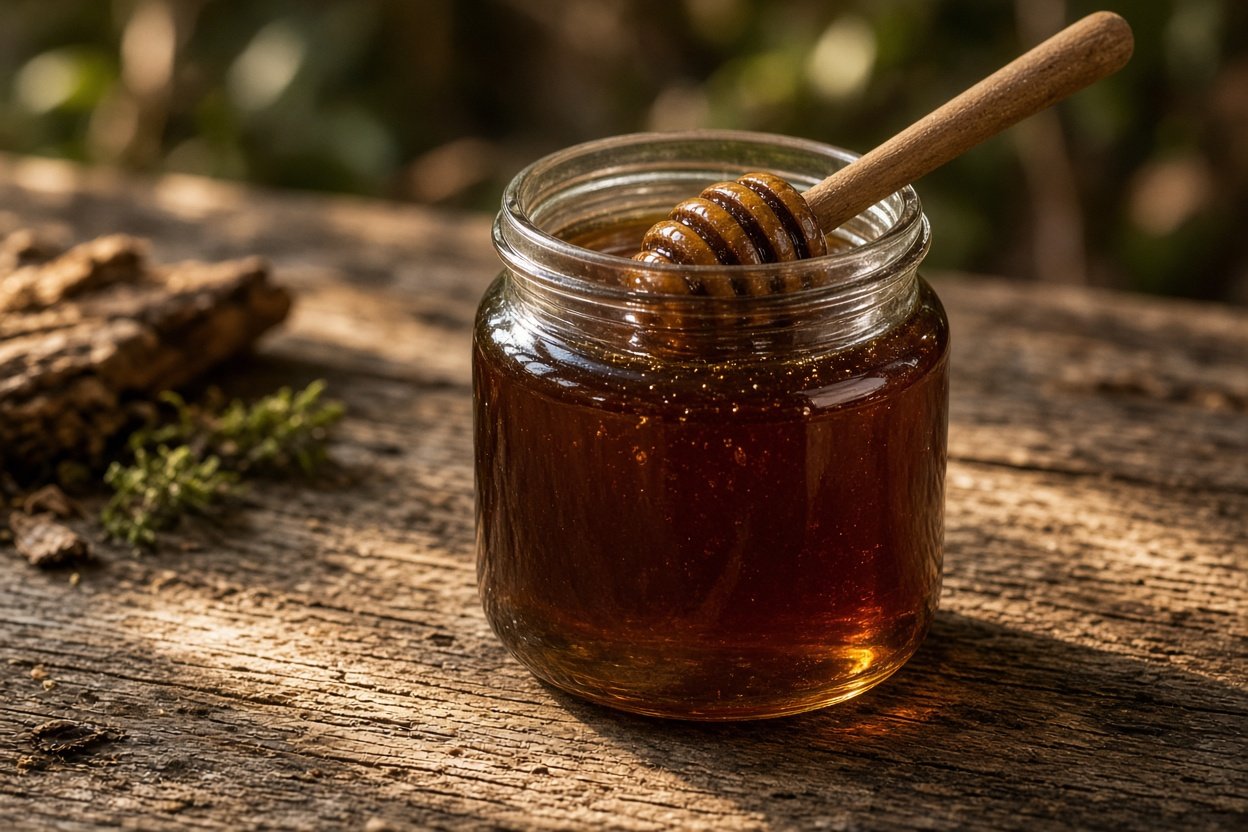
African forest honey is honey collected from bees that forage on the wild trees, shrubs and flowers of African forests rather than on a single farmed crop. Because the bees feed on such a wide mix of blossoms, the honey is not the pale, mild, uniform kind most of us grew up with. It is darker, deeper in flavour and noticeably less sugary-sweet, with earthy, slightly smoky and sometimes fruity notes.
In the UK it is still a specialist product, which is exactly why people search for it. If you have only ever bought squeezy supermarket honey, forest honey is a genuine change of pace, and a great way to understand how varied honey can be. Our raw honey guide compares it with acacia and wildflower honey if you want the wider picture.
What Does It Taste Like?
Expect a robust, complex flavour. Forest honey tends to be:
- Dark in colour, ranging from amber to deep brown.
- Rich and slightly bitter-sweet, with caramel, molasses and woody notes rather than a floral sweetness.
- Thicker and more full-bodied than many clear, filtered honeys.
Because it is less sweet on the tongue, many people find they need less of it. A teaspoon in a hot drink tastes more substantial than a spoonful of mild honey, which is a useful trick if you are trying to cut down on sugar.
Why Raw Matters
The honey we sell is described as raw and unfiltered. That means it has not been heavily heated or processed to make it look clear and uniform. Raw honey keeps more of its natural character, including tiny traces of pollen and the aroma of the forest it came from. It also tends to crystallise over time. That is a normal sign of natural honey, not a fault, and we explain how to deal with it below.
African Forest Honey vs Supermarket Honey
The difference comes down to origin, processing and flavour.
Origin: Many supermarket honeys are blends from several countries. Forest honey is gathered from a specific wild landscape, so its flavour reflects that place.
Processing: Mass-market honey is usually filtered and heat-treated to stay runny on the shelf. Raw honey is left closer to how it came from the hive.
Flavour: Supermarket honey is typically mild and sweet. Forest honey is bold, darker and more savoury-sweet.
Neither is “wrong”. But if you want a honey with real personality, forest honey is the one to try. We compare raw and shop-bought honey in more detail in our guide to raw honey versus supermarket honey.
How to Use African Forest Honey
Its strong character makes it very versatile. Here are the best ways to use it:
- In hot drinks. Stir a teaspoon into ginger, lemon or herbal tea once it has cooled a little. Boiling water can dull the flavour, so wait a minute first.
- On porridge and yoghurt. The deep flavour stands up well to oats, thick Greek yoghurt and fruit.
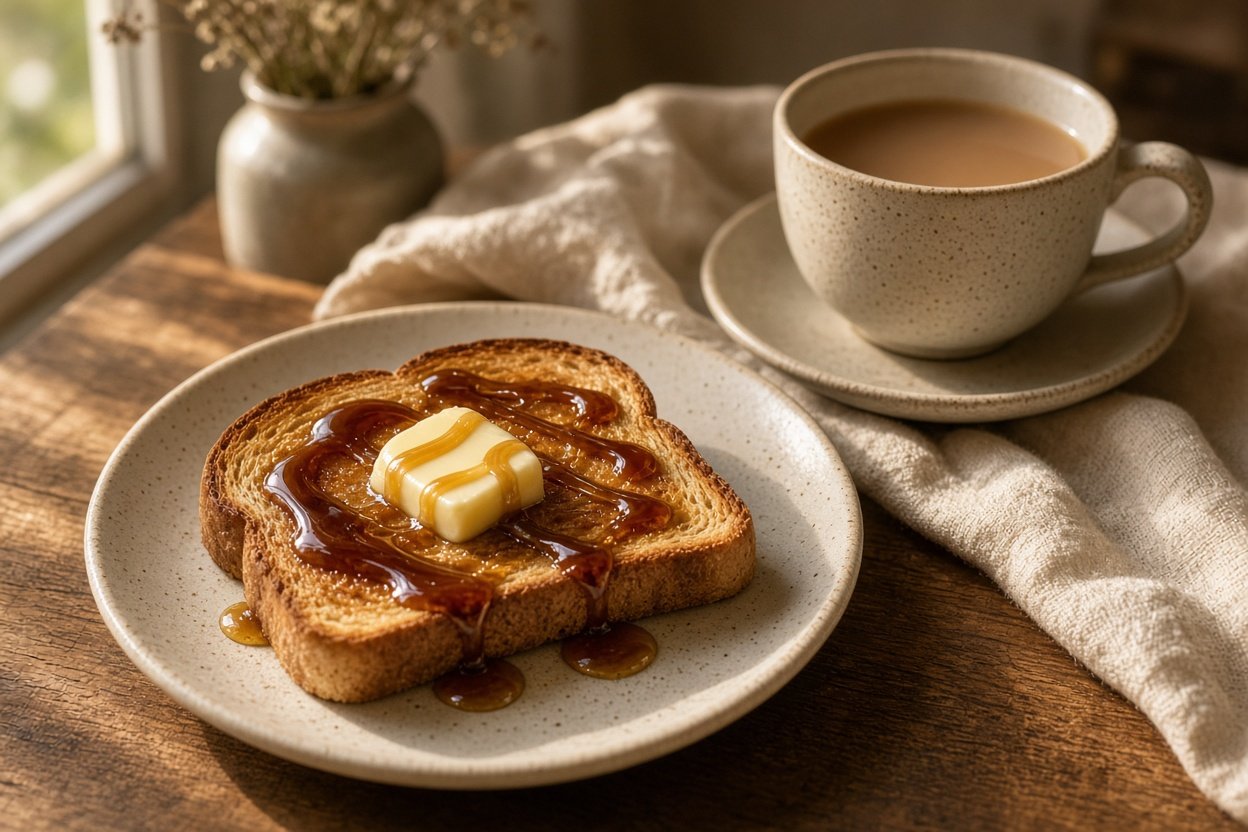
- On toast with butter. Dark honey and salted butter is a brilliant combination.
- In marinades and glazes. It adds depth to roast vegetables, salmon, chicken and sausages.
- Straight from the spoon. A small spoonful is a satisfying treat in its own right.
For more ideas, see our guide to five ways to use raw honey beyond your tea.
Honey and Tea: A Natural Pairing
Forest honey is especially good with warming, spiced teas. Try it with fresh ginger and lemon, or with a turmeric and black pepper blend. Our ginger honey tea guide shows how to brew it properly. For a quicker option, a spoonful stirred into a mug of our Strong Turmeric Ginger with Black Pepper Tea makes a rounded, comforting cup.
How to Store It and What About Crystallisation?
Keep the jar in a cool cupboard with the lid tightly closed, away from direct sunlight and damp. Do not put raw honey in the fridge, which speeds up crystallisation.
If your honey turns thick, grainy or solid, it is perfectly fine. To make it runny again, stand the sealed jar in a bowl of warm (not boiling) water for 15 to 20 minutes and stir gently. Avoid microwaving it, which can damage the flavour.
Who Should Be Careful With Honey?
Honey is a natural sugar, so enjoy it in moderation, especially if you are watching your blood sugar. Never give honey to babies under 12 months old, because of a small risk of infant botulism. If you are managing a medical condition, speak to your doctor about how much honey suits your diet.
Choosing the Right Jar
Our Raw Wild African Forest Honey (250g) is the best place to start if you have never tried it. If you already know you like it, the 500g jar is better value for regular use. We also stock Organic Forest Honey, for those who prefer an organic option.
All three ship across the UK, so you can order online and have a jar delivered to your door.
A Simple Forest Honey Tasting at Home
If you want to really appreciate forest honey, try tasting it properly once. Spoon a little onto a clean teaspoon and look at the colour in daylight: you should see a deep amber to dark brown, sometimes with a reddish tint. Smell it before you taste it, and notice whether you pick up caramel, wood, dried fruit or something smoky. Then let a small amount sit on your tongue for a few seconds before swallowing. The sweetness arrives first, followed by a longer, slightly bitter-sweet finish that mild honeys do not have.
Tasting it next to a pale supermarket honey is revealing. Most people are surprised by how different the two are, and many find they prefer forest honey on savoury foods, such as cheese, roasted vegetables or a slice of buttered sourdough, rather than as a straightforward sweetener.
Pairing Ideas Worth Trying
- With cheese: Drizzle over a sharp cheddar, goat’s cheese or a blue cheese for a sweet-and-salty contrast.
- With fruit: Spoon onto sliced pears, figs or baked apples.
- With nuts: Toss walnuts or almonds in a little honey and roast for a few minutes for a quick snack.
- With spices: Stir into hot milk with a pinch of cinnamon or nutmeg for a comforting evening drink.
Common Questions
Is African forest honey the same as raw honey? Ours is both: it comes from forest-foraging bees, and it is sold raw and unfiltered.
Why is it so dark? The colour comes from the wide variety of wild nectars the bees collect, which are richer in minerals and plant compounds than light floral nectars.
Is it good for you? Honey contains natural antioxidants and has been used for centuries in traditional remedies, but it is still a sugar. Enjoy it as a tasty natural sweetener rather than a health product.
Does it expire? Honey keeps for a very long time when stored properly. It may darken or crystallise with age, but it does not spoil in the usual way.
Can I use it in baking? Yes. It adds a deeper flavour than mild honey, so it suits flapjacks, gingerbread and malt-style cakes especially well.
Ready to Try It?
If you want to see what honey can really taste like, start with our Raw Wild African Forest Honey. Stir it into a warm cup, spread it on toast or drizzle it over porridge, and notice how different it is from the supermarket jar.
This article is for general information and is not a substitute for medical advice. Honey should not be given to infants under 12 months old.