
Blog
Best Herbal Teas for Autumn and Winter in the UK

Why Herbal Tea Comes Into Its Own in the UK Winter
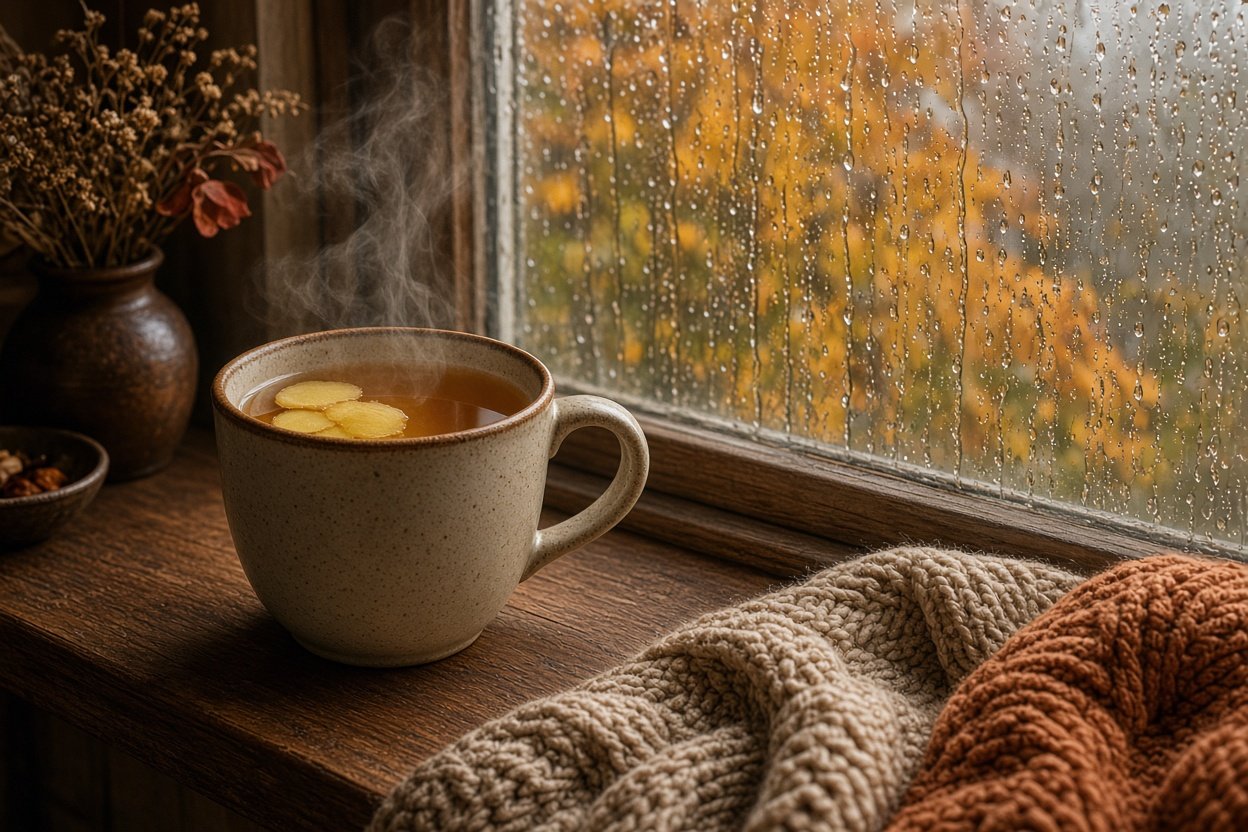
Once the clocks go back, the UK settles into months of short days, damp weather and dry central heating. It is the season when a hot drink stops being a nice extra and becomes part of the daily routine. Herbal tea is ideal for it: it is warming, hydrating, usually caffeine-free, and it gives you a reason to slow down for ten minutes.
This guide covers the herbal teas that suit autumn and winter best, what each one is traditionally used for, and how to brew them properly. None of them is a medicine, and none will stop you catching a cold, but together they make cold, dark evenings far more bearable.
1. Ginger Tea: The Warming Classic
If you only keep one tea for winter, make it ginger. Its natural heat gives an immediate sense of warmth, which is why it has been drunk for centuries in cold and damp climates. Ginger is traditionally used to settle the stomach, ease the feeling of a chesty cold and take the chill off after coming in from outdoors. You can find more detail in our guide to the benefits of ginger tea.
For a quick winter cup, the Strong Instant Ginger Immunity Combo with Honey Granules dissolves in seconds, which is perfect for busy mornings when you are already running late. If you prefer something brighter, the Strong Instant Ginger Lemon with Honey Granules is our most popular instant blend.
2. Turmeric and Black Pepper: A Golden Cup
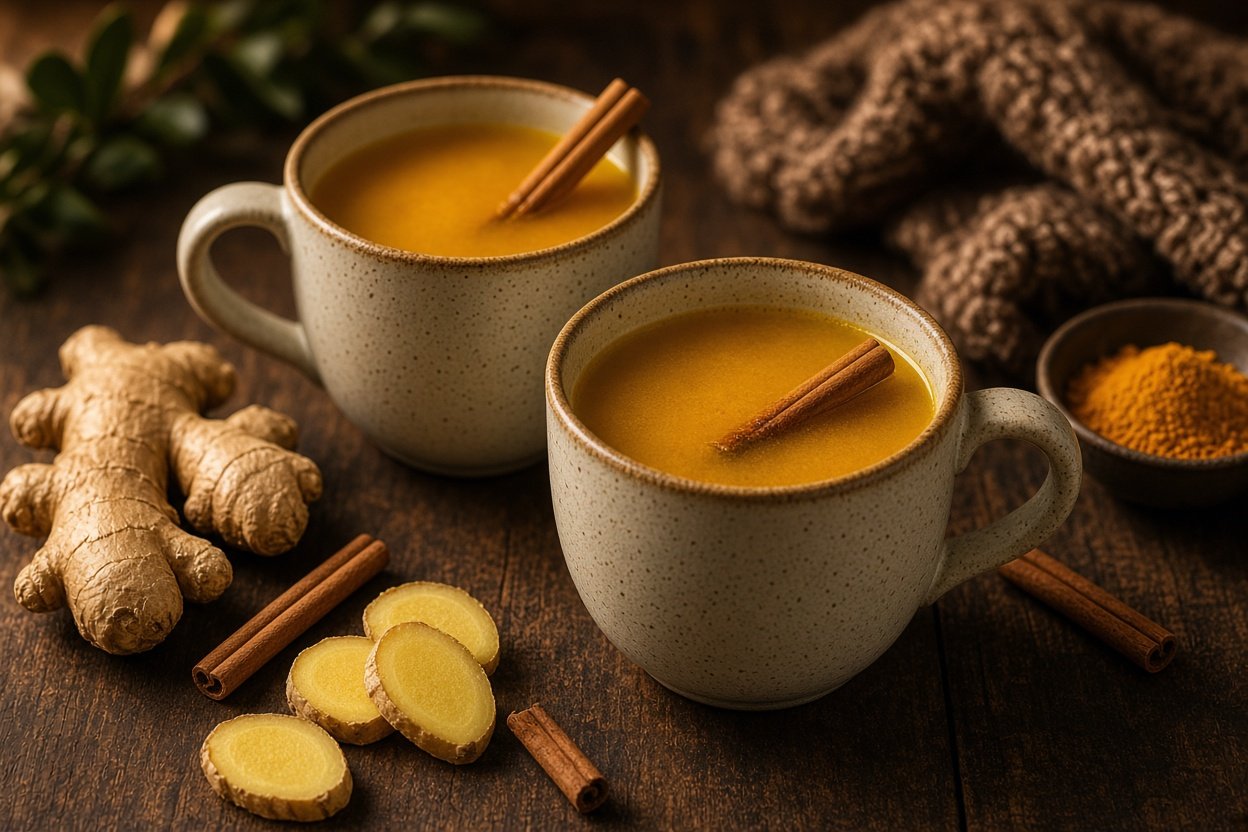
Turmeric tea has a warming, earthy flavour that suits winter beautifully. Black pepper is added because it contains piperine, which helps the body absorb curcumin, the main active compound in turmeric. Together with ginger, it makes a satisfying, spiced mug that feels like comfort in a cup. Our turmeric ginger tea guide explains how to brew it, and our Strong Turmeric Ginger with Black Pepper Tea is a ready-made version.
3. Cold and Flu Blends: For When You Feel Run Down
When the first sniffles of the season arrive, many people reach for a herbal blend that combines traditional ingredients such as elderflower, rosehip and ginger. These are not cures, and they will not replace rest, fluids or proper medical advice, but a hot, fragrant cup can be genuinely comforting when you feel under the weather. Our guide to cold and flu tea goes through what is really in these blends, and the Strong Cold and Flu Tea is a good one to keep in the cupboard from October onwards.
4. Chamomile: For Dark Evenings
When it is dark by half past four, evenings can feel very long. A cup of chamomile is the classic wind-down drink: mild, floral and caffeine-free. It is particularly useful if the shorter days leave you feeling restless or wired in the evening. Our guide to a chamomile evening ritual shows how to build it into your routine.
5. Peppermint and Ginger Mint: After Heavy Meals
Winter food tends to be richer and heavier: roast dinners, stews, puddings and the long run of festive meals. A cup of peppermint or ginger mint afterwards is a refreshing, traditional digestive. Try our ginger mint tea guide for ideas, or the Strong Instant Ginger Mint with Honey for a quick option.
How to Brew a Proper Winter Cup
A few habits make any herbal tea taste better:
- Use freshly boiled water. For herbal teas, just-boiled water is ideal. Stale, re-boiled water makes a flat cup.
- Cover your mug while it steeps. This traps the aromatic oils, which is especially noticeable with chamomile, mint and ginger.
- Steep for 5 to 8 minutes. Herbal blends need longer than black tea to release their flavour.
- Add honey after it cools slightly. A spoon of raw honey stirred in once the tea is no longer scalding keeps its flavour and softness. Our ginger honey tea guide covers the details.
- Add a slice of fresh lemon or orange. It brightens the flavour and adds a little vitamin C.
Building a Simple Winter Tea Routine
Rather than drinking whatever is nearest, it helps to give each part of the day a tea:
- Morning: Ginger or ginger lemon, to start the day warm and awake without extra caffeine.
- Afternoon: A turmeric blend or a mint tea to get through the slump.
- Evening: Chamomile or a bedtime blend to wind down.
- When you feel run down: A cold and flu blend, plenty of water and an early night.
Our guide to the best time to drink herbal tea goes into more detail on matching blends to the time of day.
Simple Ways to Make Winter Teas Feel Special
Winter drinking is about comfort as much as ingredients, and a few small touches help. Warm your mug with hot water first so the tea stays hot longer. Add a cinnamon stick or a few cloves to ginger tea for a mulled-spice feel. Keep a jar of raw honey by the kettle. And try to drink at least one cup a day sitting down, away from a screen. That small pause is a big part of why herbal tea works so well as a daily habit.
A Note on Staying Well
Herbal tea is a comfort, not a substitute for the basics. Eat well, get enough sleep, keep up your fluids and see your GP if symptoms are severe or last more than a few days. If you are pregnant, take regular medication or have a medical condition, check with your doctor or pharmacist before drinking herbal blends regularly, since some herbs can interact with medicines.
Staying Comfortable When the Heating Is On
One thing people overlook in a British winter is how dry indoor air becomes once the central heating is running for hours each day. Dry air can leave your throat scratchy and your lips and skin tight, and it can make you feel thirstier than you realise. Herbal tea helps in a simple way: it counts towards your fluids, and the warm steam is pleasant to breathe in. Keep a flask or a large mug on your desk or bedside table so that you actually drink it, rather than letting it go cold.
It also helps to vary what you drink. Many people stick to one or two teas for the whole winter and then get bored of them. Keeping three or four different blends in the cupboard makes it easy to match the tea to your mood: something spicy on a grey morning, something floral at night, something bright and citrusy when you want a lift.
Making Tea Work for the Whole Household
Winter is also when children and relatives are around more. Herbal teas without caffeine, such as mild ginger, chamomile and fruit blends, are easy to share. Serve them in a teapot in the middle of the table, with a jar of honey and a plate of lemon slices, and let everyone make their own cup. It is a small ritual that can make long, cold afternoons feel a lot cosier. Remember that honey should never be given to babies under 12 months old, and check with a doctor before giving herbal teas to young children.
Common Questions
What is the best herbal tea for a cold? Ginger, lemon and honey is the traditional favourite, along with elderflower and rosehip blends. They are comforting, but they will not cure a cold.
Is it okay to drink herbal tea every day? For most healthy adults, one to three cups a day of mild herbal teas is fine. Stronger, more concentrated blends are best kept to the amounts suggested on the pack.
Do herbal teas contain caffeine? Pure herbal teas such as ginger, chamomile and peppermint are caffeine-free. Check blends that include green or black tea.
Can I drink herbal tea cold in winter? You can, but warm teas are far more comforting in cold weather, and a hot drink helps you feel warmer.
Where to Start
If you want a simple winter set, begin with three: the Instant Ginger Immunity Combo for mornings, the Turmeric Ginger with Black Pepper for afternoons, and the Cold and Flu Tea for when the season catches up with you.
This article is for general information and is not a substitute for medical advice. Speak to your doctor before using herbal products if you are pregnant, nursing, taking medication or managing a medical condition.