

Blog
Turmeric Tea for Inflammation: What the Research Says

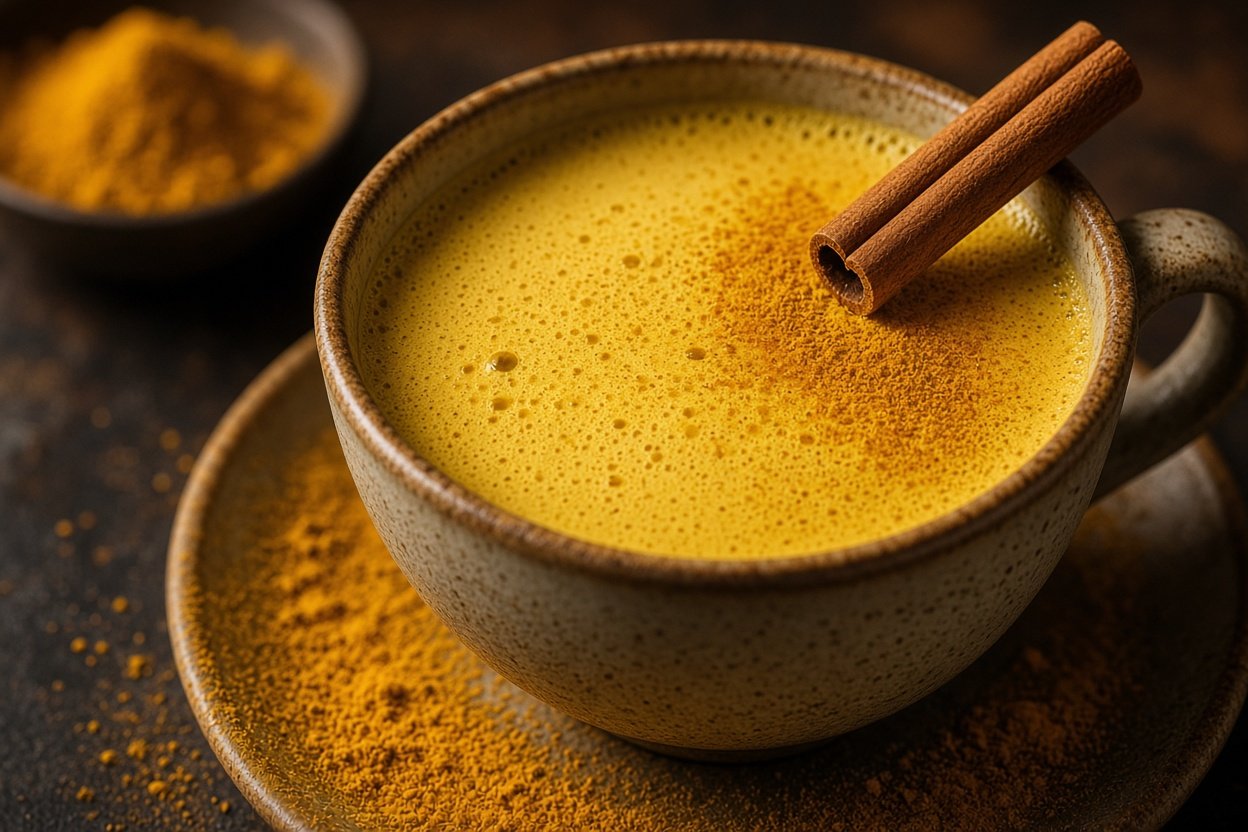
Turmeric’s golden colour comes from curcumin, a compound that has drawn significant scientific interest for its potential role in supporting the body’s natural inflammatory response. Turmeric tea for inflammation is one of the most researched uses of any herbal tea, and our Honey Turmeric Ginger Pepper Blend is formulated specifically around that reputation — turmeric, ginger, black pepper, and honey in one cup.
Turmeric Tea for Inflammation: Why It Keeps Coming Up in Research
Curcumin has been studied more extensively than almost any other single plant compound for its anti-inflammatory potential, which is part of why turmeric has moved from a spice cupboard staple to a genuine wellness category on its own.
What the Research Suggests
A randomized, double-blind, placebo-controlled trial looking at curcuminoid treatment for knee osteoarthritis found meaningful improvements in pain and function among participants taking a curcumin supplement, comparable in some measures to a standard anti-inflammatory medication used in the same trial. That’s a specific, well-controlled example of the kind of joint-comfort research that’s built turmeric’s reputation — though it’s worth noting the doses used in clinical trials are typically far more concentrated than what you’d get from a cup of tea.

Why Absorption Is a Key Factor
On its own, curcumin isn’t absorbed particularly well by the body. That’s why turmeric teas are so often blended with black pepper, which contains piperine — a compound shown in a landmark pharmacokinetic study to significantly increase curcumin bioavailability when the two are combined. A small amount of healthy fat, like a splash of milk, is also studied for improving absorption, which is part of why golden-milk-style turmeric drinks have become so popular.
Tea vs Concentrated Supplements
It’s worth being honest about the gap between a cup of turmeric tea and the concentrated curcumin extracts used in most clinical trials. Research studies commonly use curcuminoid doses well beyond what you’d absorb from a typical cup, so a daily tea habit is better understood as a gentle, everyday supporting routine rather than a replacement for a targeted supplement if you’re managing a specific inflammatory condition under medical guidance.
How to Make Turmeric Tea Part of Your Routine
- Drink consistently rather than occasionally — many traditional uses involve daily consumption over weeks, not a single cup when discomfort flares up.
- Pair with black pepper for better absorption, which our blend already accounts for.
- Steep for at least 5–8 minutes to fully extract the compounds from the turmeric.
- Add a splash of milk or plant milk if you want a creamier, golden-latte style version.
The Ginger and Honey in This Blend
Ginger and honey aren’t just along for the ride in this formulation. Ginger brings its own digestive and warming properties, while honey softens turmeric’s earthy bitterness into something genuinely pleasant to drink daily — which matters, because consistency is where most of the reported benefit comes from.
A Companion Read on the Classic Pairing
If you want the fuller picture of why ginger and turmeric are so often brewed together beyond the inflammation angle specifically, our guide to ginger turmeric tea benefits covers the digestive side of the pairing in more depth.
What Kind of Inflammation Are We Talking About?
It’s worth distinguishing between the everyday, low-grade inflammation associated with things like joint stiffness or general wellness, and acute or chronic inflammatory conditions that need medical management. Turmeric’s research base is strongest around the first category — supporting comfort and general inflammatory markers over time — rather than as a treatment for a diagnosed inflammatory disease.
Turmeric Beyond Tea: Other Ways People Use It
Tea is one of the gentlest ways to include turmeric in a routine, but it’s far from the only one. Turmeric shows up in golden milk lattes, smoothies, curries, and concentrated capsule supplements. Each format delivers a different dose and a different experience — tea sits toward the gentler, more everyday end of that spectrum, while capsules sit toward the more concentrated, targeted end.
How Long Before You Notice Anything
Because turmeric’s effects build gradually rather than acting immediately, most traditional and research-backed uses involve weeks of consistent daily intake rather than expecting a single cup to make a noticeable difference. If you’re trying it specifically for joint comfort or general inflammation support, give it at least four to six weeks of consistent daily use before deciding whether it’s making a difference for you.
Turmeric and Diet Together
Turmeric tea works best as part of a broader approach to managing everyday inflammation, alongside factors that matter just as much or more — regular movement, adequate sleep, and a diet that isn’t dominated by heavily processed food. No single ingredient, turmeric included, can fully offset the effect of a diet or lifestyle working against it.
Choosing Between Tea, Latte, or Capsule
If you enjoy the ritual of a warm drink and want a gentle, everyday habit, tea is the natural choice. If you want a creamier, more indulgent version, a golden milk latte using the same turmeric and black pepper base is worth trying. If you’re specifically targeting a health concern under a doctor’s guidance and want a more concentrated, measured dose, a capsule supplement is the more appropriate format — tea simply isn’t designed to deliver that level of concentration.
A Simple Daily Ritual
Many people build turmeric tea into an existing part of their day — with breakfast, as a mid-afternoon break, or as part of an evening wind-down — rather than treating it as a separate task to remember. Attaching it to a habit you already have is one of the most reliable ways to keep any new tea habit consistent long enough to notice a difference.
Who This Blend Suits Best
As far as turmeric tea for inflammation goes, this particular blend suits anyone who wants the inflammation-support reputation of turmeric without the earthy bitterness turning them off the habit before it becomes routine — the ginger and honey do a lot of work making it something you’ll actually want to finish, not just something you feel obligated to drink.
Who Should Be Cautious
Turmeric can interact with blood-thinning medication and isn’t recommended in large amounts during pregnancy without medical guidance. If you have a diagnosed inflammatory or autoimmune condition, turmeric tea can be a reasonable addition to your routine, but it shouldn’t replace any treatment your doctor has prescribed.
Browse our Honey Turmeric Ginger Pepper Blend, thoughtfully formulated for everyday use.
A Final Note on Consistency
As with most things in herbal wellness, the single biggest factor in whether turmeric tea makes a noticeable difference isn’t the exact brand or blend — it’s whether you actually keep drinking it regularly for long enough to find out. A cupboard staple you reach for daily will always outperform an occasional cup reached for only when discomfort flares up.
Making It Part of a Wider Wellness Routine
Turmeric tea works best when it’s one part of a broader approach to everyday comfort — alongside movement, sleep, and a generally balanced diet — rather than treated as a single fix expected to compensate for everything else. Thought of that way, it’s a small, sustainable addition rather than a miracle ingredient.
This article summarises general research and traditional use; it is not medical advice. Speak with a healthcare provider about any inflammatory condition.