
Blog
Best Tea for Acid Reflux: What to Try and What to Avoid

Can Tea Help With Acid Reflux?
If you get heartburn or that sour taste at the back of your throat, the wrong drink can make an evening miserable. The good news is that some herbal teas are gentle on a sensitive stomach and are traditionally used to soothe it. The less welcome news is that a few popular teas, including some that are usually recommended for digestion, can make reflux worse for certain people.
Tea will not cure acid reflux. If you have heartburn more than twice a week, trouble swallowing, unexplained weight loss or pain that does not settle, see your GP rather than managing it with tea. What a well-chosen cup can do is make your day-to-day routine more comfortable, alongside the habits covered below.
Teas That Are Generally Gentle
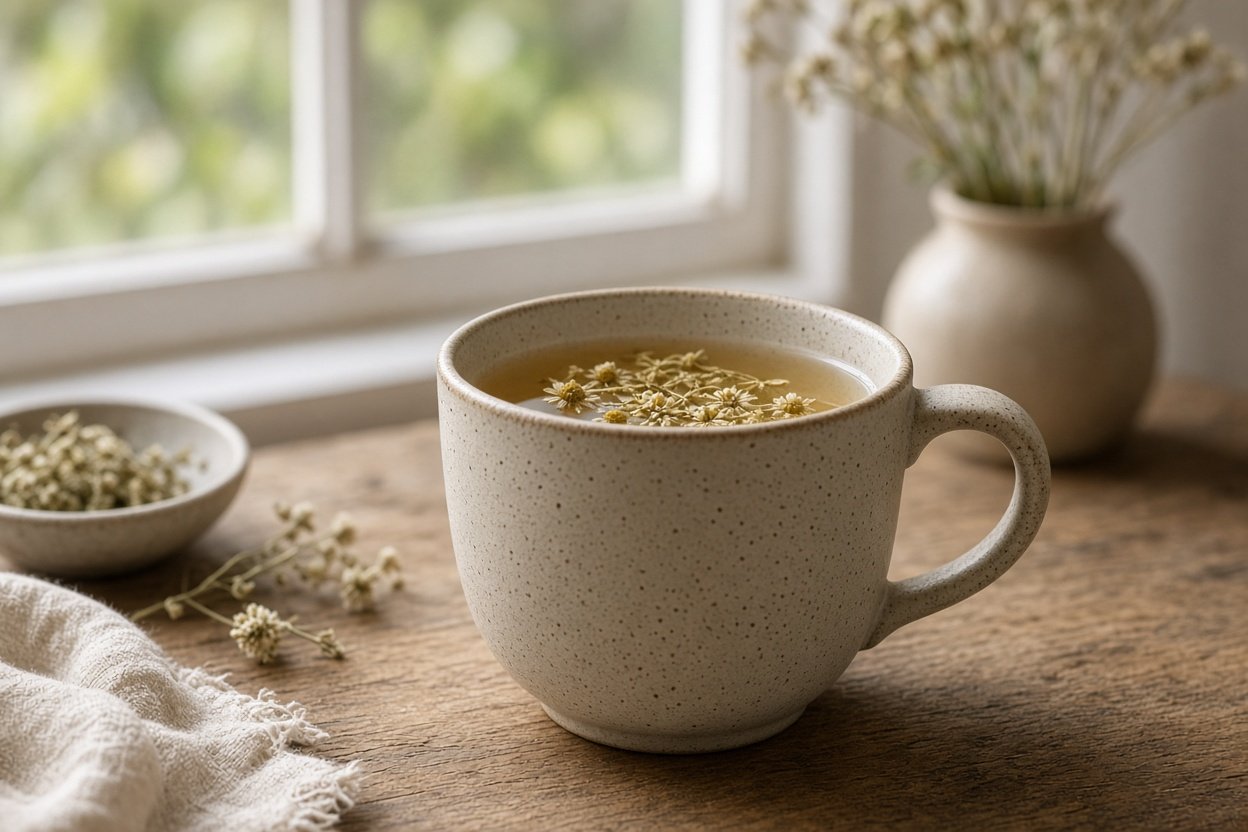
Chamomile. Chamomile is one of the most commonly suggested teas for a sensitive stomach. It is mild, non-acidic, caffeine-free and traditionally used to calm indigestion and mild stomach upsets. It is also relaxing, which helps if stress tends to trigger your symptoms. Our Strong Pure Camomile Tea is a simple single-ingredient option, and our guide to a chamomile evening ritual shows how to build it into your routine.
Ginger (in moderation). Ginger has a long tradition for settling the stomach and easing nausea, and some people find a mild ginger tea comforting. However, strong ginger can be irritating for others, particularly in large amounts or on an empty stomach, so start gently and see how you react. A weaker brew is a better starting point than a fiery one. Our strong instant ginger tea with black pepper contains no honey or sugar, so you can control the strength by adding more water. Read more in our guide to the benefits of ginger tea.
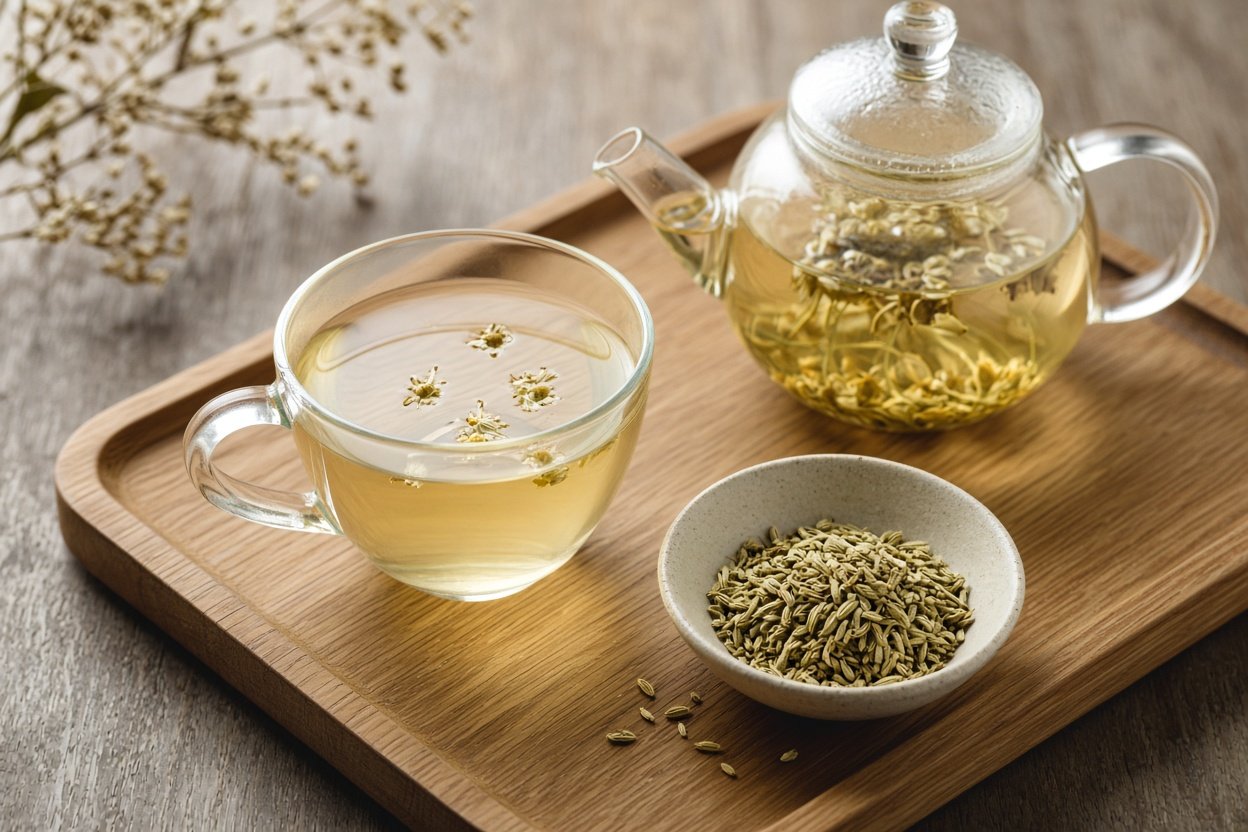
Fennel. Fennel seed tea is traditionally used after meals for bloating and indigestion, and many people find it soothing. It has a mild, sweet, aniseed flavour.
Marshmallow root and liquorice-style teas. These are traditionally used for their soothing, coating quality on the throat and stomach. If you try liquorice, note that regular large amounts can raise blood pressure, so keep to occasional cups and check with your doctor if you have high blood pressure.
Teas to Be Careful With
Peppermint. This one surprises people. Peppermint is a go-to for gas and bloating, but it can relax the muscle at the bottom of the oesophagus, which may allow stomach acid to creep back up. Many people with reflux find peppermint makes symptoms worse. If you are not sure, try a small cup and see, or choose another herb. Our guide to the best tea for bloating and gas covers when peppermint helps and when it may not.
Caffeinated teas. Black tea, strong green tea and especially anything with added caffeine can trigger reflux in some people. If you love your regular tea, try it weaker, with milk, or after food rather than on an empty stomach.
Citrus-heavy blends. Lemon and orange are acidic, and for some people citrus is a clear trigger. If that is you, choose plain herbal teas or go easy on lemon.
Very hot drinks. Even a gentle herb can irritate if the tea is scalding. Let your cup cool to a comfortable sipping temperature.
Everyone’s triggers are different. A food and drink diary kept for a couple of weeks will tell you more about your own reflux than any general list.
How to Brew a Gentle Cup
For a soothing, low-trigger cup of chamomile or fennel:
- Use one tea bag or 1 to 2 teaspoons of the dried herb per mug.
- Pour over freshly boiled water, then let it cool for a minute.
- Cover and steep for 5 minutes.
- Strain, and let the tea cool to warm rather than hot before you drink it.
Skip the honey and lemon at first if you are unsure about your triggers, then add them back one at a time.
Simple Habits That Make Tea Work Better
What you drink matters, but when and how you drink it matters just as much.
- Sip between meals, not during large ones. A big volume of liquid with food can increase pressure in the stomach.
- Do not lie down straight after drinking. Leave two to three hours between your last meal or large drink and bedtime where you can.
- Choose smaller cups. A medium mug is gentler than a huge one.
- Go easy on sugar and fatty foods around your tea. Rich biscuits or a heavy dessert can undo the benefit of a calming cup.
- Keep a note of what suits you. If a particular tea consistently makes things worse, drop it.
Our guide to the best herbal teas for digestion includes more options to rotate through.
A Sample Day of Gentle Drinks
It can help to see how these ideas fit into an ordinary day. In the morning, if you usually reach for a strong coffee, try having it after breakfast rather than on an empty stomach, or swap it for a weaker cup of tea. Mid-morning, a small mug of mild ginger tea can be a comforting pick-me-up. After lunch, a cup of chamomile or fennel is a gentle way to help digestion along. In the evening, finish dinner at least two to three hours before bed, then enjoy a small, warm cup of chamomile if you wish, rather than a large mug right before lying down.
Throughout the day, sip plain water between meals, since good hydration helps many people with reflux. Keep portions moderate, because overly full stomachs are a common trigger. Small changes like these, together with the right tea, tend to work better than any single drink on its own.
When to See a Doctor
Occasional heartburn after a rich meal is common and usually nothing to worry about. But please speak to a GP if you have frequent or severe symptoms, difficulty or pain when swallowing, persistent hoarseness or cough, vomiting, black stools or unexplained weight loss. Long-term reflux deserves proper assessment, and tea should only ever be a supporting habit.
Common Questions
Is green tea good for acid reflux? It varies. Green tea contains caffeine, which can trigger reflux in some people. If you want to try it, brew it weak and have it after food.
Is chamomile tea good for heartburn? Chamomile is generally considered gentle and is traditionally used for mild stomach upsets, though it is not a treatment for reflux itself.
Is ginger tea safe if I have reflux? Many people find mild ginger tea soothing, but strong ginger can irritate others. Start with a weak cup.
Should I drink tea before bed? A small, warm cup of caffeine-free tea an hour or two before bed is fine for most people, but avoid large volumes right before lying down.
Can I drink tea while pregnant if I have heartburn? Heartburn is common in pregnancy, but check with your midwife or doctor about which herbal teas are suitable.
Where to Start
If you are not sure where to begin, try the Strong Pure Camomile Tea in the evening, and keep the sugar-free instant ginger tea for a weak, warming cup after meals. Introduce one change at a time and pay attention to how your body responds.
This article is for general information and is not a substitute for medical advice. Persistent or severe reflux needs a doctor’s assessment. Speak to your doctor before using herbal products if you are pregnant, nursing, taking medication or managing a medical condition.