
Blog
Best Tea for Bloating and Gas: 5 Herbal Teas That Help

That tight, puffed-up feeling after a meal is something almost everyone knows. Bloating and trapped wind are uncomfortable, often a little embarrassing, and can turn a nice dinner into an evening of loosening your waistband. The good news is that one of the simplest, most traditional ways to settle your stomach is already sitting in your kitchen cupboard: a warm cup of herbal tea.
In this guide we look at the best tea for bloating and gas, what each herb is traditionally used for, what the research suggests, and how to brew and time your cup so it actually helps.
Why Do We Get Bloated?
Bloating usually happens when gas builds up in the digestive tract, or when the gut’s muscles aren’t moving food along as smoothly as they could. Common everyday triggers include:
- Eating quickly and swallowing air
- Large or rich meals, especially late in the evening
- Fizzy drinks
- Gas-producing foods such as beans, onions, cabbage and some wholegrains
- Stress, which can affect how the gut moves
- Hormonal changes, particularly around the menstrual cycle
Herbal teas won’t change what you’ve eaten, but certain herbs have a long history of use as carminatives: plants traditionally used to help ease trapped wind and settle the stomach. And simply sipping something warm and slowly, rather than gulping a cold fizzy drink, can make a difference on its own.
The 5 Best Teas for Bloating and Gas
1. Peppermint Tea
If you only try one tea for bloating, make it peppermint. It’s the classic after-dinner drink for good reason.
Peppermint’s main active compound, menthol, is known to have a relaxing effect on the smooth muscles of the digestive tract. When those muscles relax, trapped gas can move along more easily, which is why many people find peppermint eases that tight, crampy feeling. Most of the clinical research has focused on concentrated peppermint oil capsules, particularly for people with IBS, so a cup of tea is gentler, but the traditional use is well established.
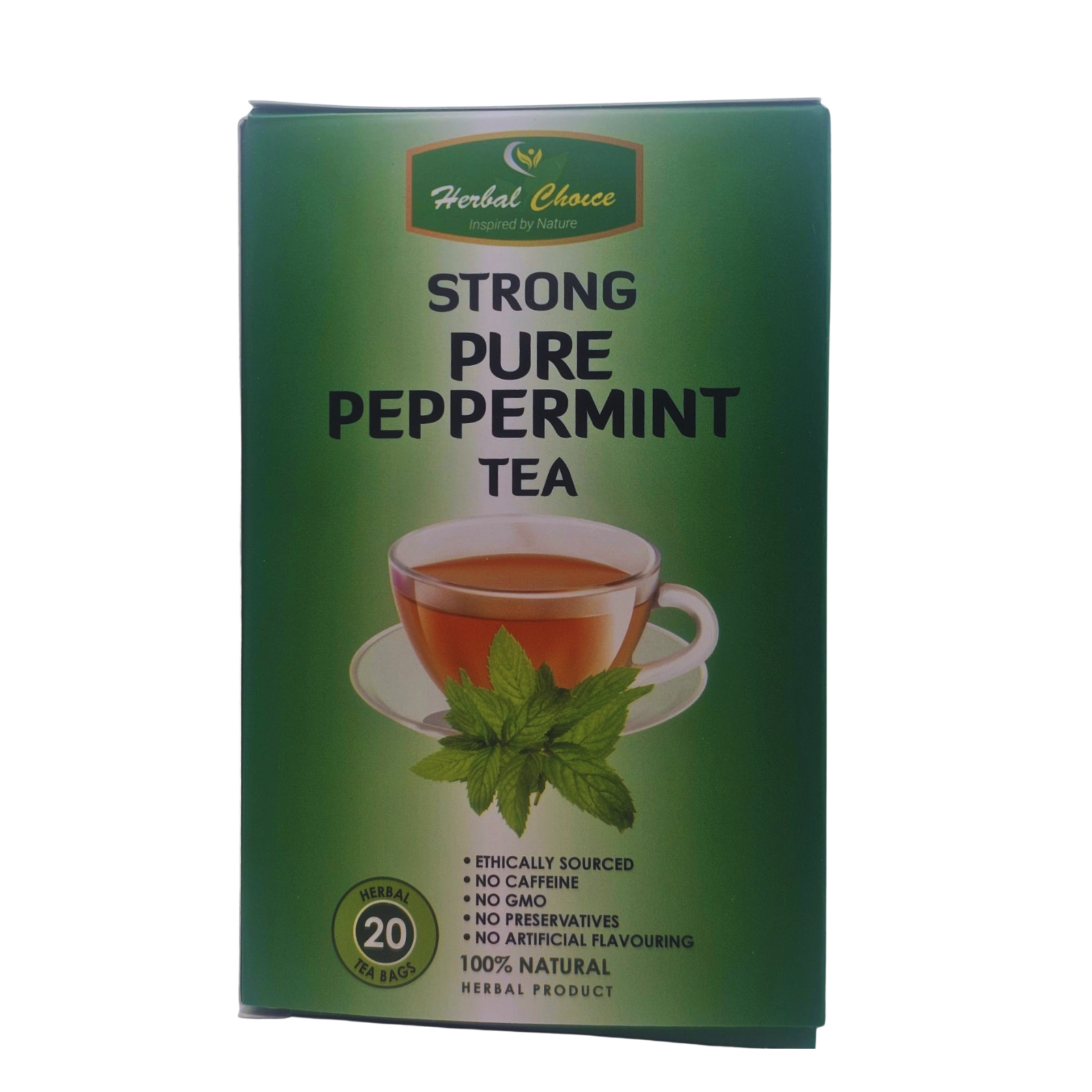
Best for: after-meal bloating, crampy discomfort and trapped wind.
Try: our Strong Pure Peppermint Tea, made with 100% Moroccan peppermint and naturally caffeine-free.
A note of caution: because peppermint relaxes muscles, it can also relax the valve at the top of the stomach. If you’re prone to heartburn or acid reflux, peppermint may make that worse, so ginger or chamomile could suit you better.
For a deeper look, read our full guide to Mint Tea Benefits: Digestion, Bloating & Fresh Breath.
2. Ginger Tea
Ginger is one of the most widely studied digestive herbs. Research suggests it may help the stomach empty more efficiently, which means food (and gas) spends less time sitting heavily in your stomach. It’s also well known for easing nausea.
Ginger has a warming, spicy flavour that many people find comforting, especially in colder months. It’s a particularly good choice if your bloating comes with a heavy, full feeling or slight queasiness.
Best for: fullness after heavy meals, sluggish digestion and nausea.
Try: our caffeine-free Strong Instant Ginger Tea with Black Pepper (no honey, no sugar), which dissolves in hot water in seconds.
Ginger can also help with bloating linked to the menstrual cycle. We cover that in detail in Ginger Tea Benefits for Women: Hormones, Bloating & Cramps.
3. Ginger and Mint Together
Why choose between them? Ginger and mint work well as a pair: ginger brings warmth and helps things move along, while mint brings that cooling, muscle-relaxing effect. Together they make a balanced, refreshing cup that’s especially pleasant after a big meal.
Best for: people who find straight peppermint too sharp or straight ginger too fiery.
Try: Strong Mint Ginger Tea in tea bags, or the quick and convenient Strong Instant Ginger Mint with Honey if you prefer a lightly sweetened sachet. Read more in Ginger Mint Tea: A Refreshing Twist on Classic Ginger.
4. Chamomile Tea
Chamomile is best known as a bedtime tea, but it has a long traditional history as a digestive herb too. It’s gentle, floral and slightly sweet, and it’s often used to soothe a stomach that feels unsettled, particularly when stress or tension seems to be playing a part.
Because it’s so mild, chamomile is a good option in the evening when you want something calming that won’t keep you awake, and it’s a gentler choice than peppermint if you’re prone to reflux.
Best for: evening bloating, stress-related tummy discomfort and winding down.
Try: our Strong Pure Camomile Tea, or see how to build it into your evening in Chamomile Tea Before Bed: A Simple Evening Ritual.
5. Lemongrass Tea
Lemongrass, sometimes called fevergrass in the Caribbean, is a bright, citrusy herb traditionally used to support digestion and ease stomach discomfort. It’s a lovely option if you find mint and ginger too strong and want something lighter and fresher.
Best for: a light, refreshing after-meal cup.
Try: Strong Lemongrass Fevergrass Tea.
What About Fennel?
Fennel seed is another traditional carminative, and in many cultures a few fennel seeds are chewed after a meal to freshen the breath and settle the stomach. Its gentle aniseed flavour works well in digestive blends. If you enjoy the taste, fennel is worth adding to your rotation alongside the teas above.
Which Tea Should You Choose?
| If your bloating feels like… | Try |
|---|---|
| Crampy, with trapped wind | Peppermint |
| Heavy and full after a big meal | Ginger |
| Both of the above | Ginger and mint |
| Worse in the evening or when stressed | Chamomile |
| Mild, and you want something light | Lemongrass |
| Linked to heartburn or reflux | Ginger or chamomile (avoid peppermint) |
How to Get the Most from Your Tea
Timing
For bloating, the best time to drink herbal tea is usually after a meal, around 15 to 30 minutes after eating. Ginger can also be sipped before or with a meal if you know a heavy dish is coming. For a full breakdown, see Best Time to Drink Herbal Tea: Morning vs Night.
Brewing
- Use freshly boiled water and cover your cup while it steeps. This keeps the aromatic oils (where much of the flavour and activity lives) in the cup rather than in the air.
- Steep for 5 to 10 minutes. Longer steeping gives a stronger, more effective cup.
- Sip slowly. Gulping can make you swallow air, which adds to the problem.
Pair Tea with Simple Habits
- Eat more slowly and chew thoroughly
- Swap fizzy drinks for still water or herbal tea
- Take a gentle 10-minute walk after meals
- Notice which foods tend to trigger your bloating
When to See a Doctor
Occasional bloating after a big meal is normal. But speak to your GP if bloating is persistent, keeps coming back over several weeks, or comes with symptoms such as unexplained weight loss, changes in bowel habits, blood in your stool, severe pain, or difficulty swallowing. Herbal tea is a comforting everyday habit, not a substitute for medical advice.
Start with a Proper After-Dinner Cup
If you’re looking for one place to start, peppermint is the classic choice for bloating and gas. Try our Strong Pure Peppermint Tea, made with 100% Moroccan peppermint, after your next meal. If reflux is an issue or you prefer warmth, reach for Strong Mint Ginger Tea instead.
Want to explore more digestive herbs? Read our guide to the Best Herbal Teas for Digestion (Ginger, Mint & More).
This article is for general information only and is not medical advice. Always speak to a healthcare professional if you have ongoing digestive symptoms, are pregnant or breastfeeding, or take regular medication.