
Blog
Caffeine-Free Herbal Teas: A UK Guide to Evening Drinks

Why So Many People Are Cutting Back on Caffeine
Most of us in the UK drink a lot of tea and coffee, often without thinking about how much caffeine is in each cup. Cutting back is a common goal: people want better sleep, fewer jitters, or simply a break from the afternoon crash. The good news is that giving up caffeine does not mean giving up a warm, flavourful drink. Herbal teas, which are made from flowers, leaves, roots and seeds rather than the tea plant, are naturally caffeine-free and come in dozens of flavours.
This guide explains what caffeine-free actually means, which herbal teas to try first, and how to pick the right one for the time of day.
Caffeine-Free vs Decaffeinated: What Is the Difference?
These two terms sound similar, but they are not the same.
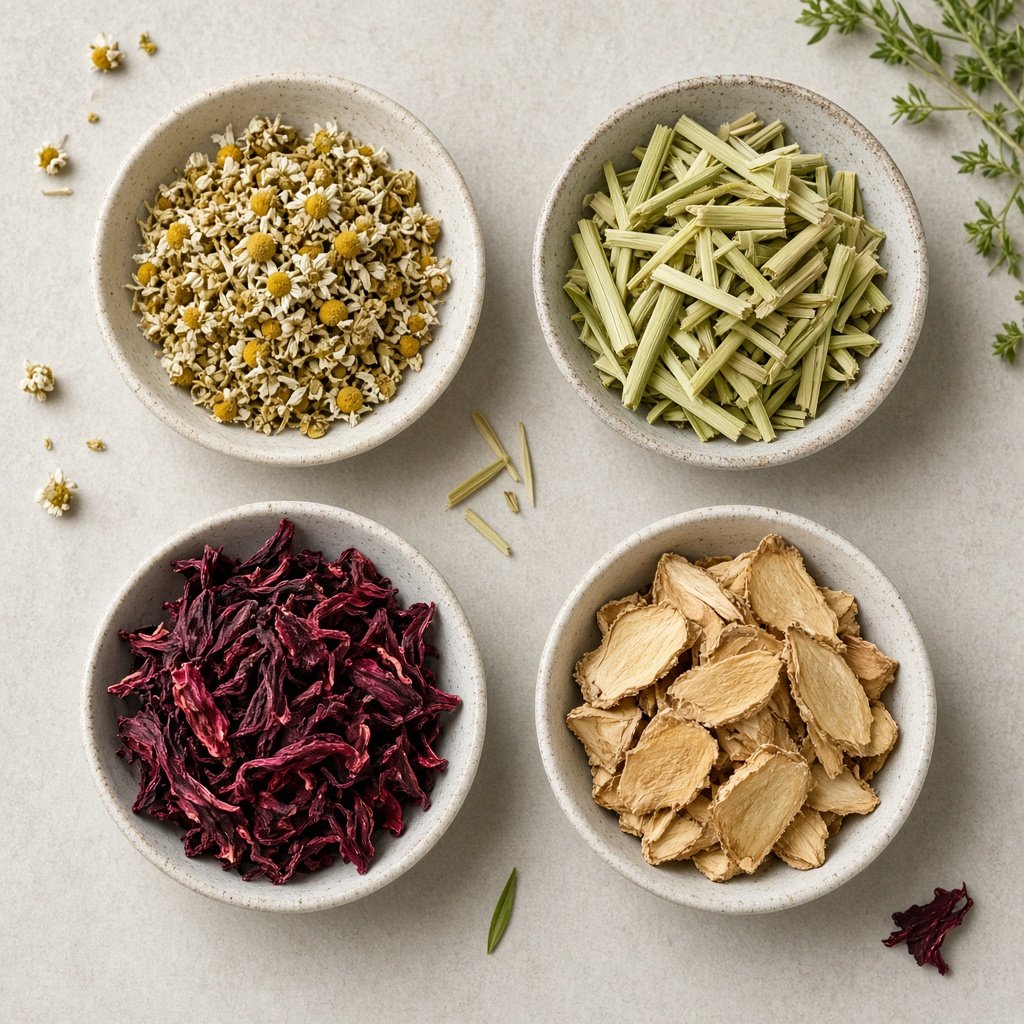
Caffeine-free drinks never contained caffeine in the first place. Most pure herbal teas, such as chamomile, ginger, peppermint, lemongrass and hibiscus, come from plants that do not produce caffeine.
Decaffeinated drinks come from caffeinated plants (like black or green tea) and have had most, but not all, of the caffeine removed. A cup of decaf still contains small amounts.
If you want to avoid caffeine altogether, for instance in the evening or during pregnancy, pure herbal teas are the safer choice. Always check the label on blends, as some include green or black tea.
Who Might Want to Avoid Caffeine?
- People with sleep trouble. Caffeine can stay in your system for many hours, so an afternoon cup can still affect your sleep.
- Anyone pregnant or trying to conceive. NHS guidance advises limiting caffeine to 200mg a day during pregnancy, so many people choose herbal teas instead. Check with your midwife or doctor about which herbal teas are suitable, as some herbs are not recommended in pregnancy.
- People prone to anxiety or palpitations. Caffeine can make these feelings worse for some people.
- Anyone with acid reflux or a sensitive stomach. Caffeinated drinks can be a trigger.
The Best Caffeine-Free Herbal Teas to Try
Chamomile. Mild, floral and gently sweet, chamomile is the classic evening tea. It is traditionally used to help people wind down, and it is very easy to drink. Our Strong Pure Camomile Tea is a simple single-ingredient option, and our guide to a chamomile evening ritual shows how to use it.
Ginger. Warming and spicy, ginger is naturally caffeine-free and works any time of day. It is a good replacement for a morning coffee if you want something with a kick. The strong instant ginger tea with black pepper comes as 30 caffeine-free sachets with no honey and no sugar.
Lemongrass. Bright, lemony and refreshing, lemongrass is perfect when you want something zesty without caffeine. Try our Strong Lemongrass Ginger Tea, which combines citrus and warmth in a single cup.
Hibiscus. Tart, fruity and ruby red, hibiscus is the closest herbal equivalent to a fruit juice. It is lovely hot or iced. Our Strong Hibiscus Sorrel with Ginger Tea pairs it with ginger for a lively blend. If you take blood pressure medication, ask your doctor before drinking hibiscus regularly.
Bedtime blends. If you want something purpose-made for the evening, our Strong Sleep Well Bedtime Tea is a soothing herbal blend designed for winding down. For more on how herbal options compare with sleep supplements, read our guide to herbal sleep tea versus melatonin.
How to Brew Caffeine-Free Teas Well
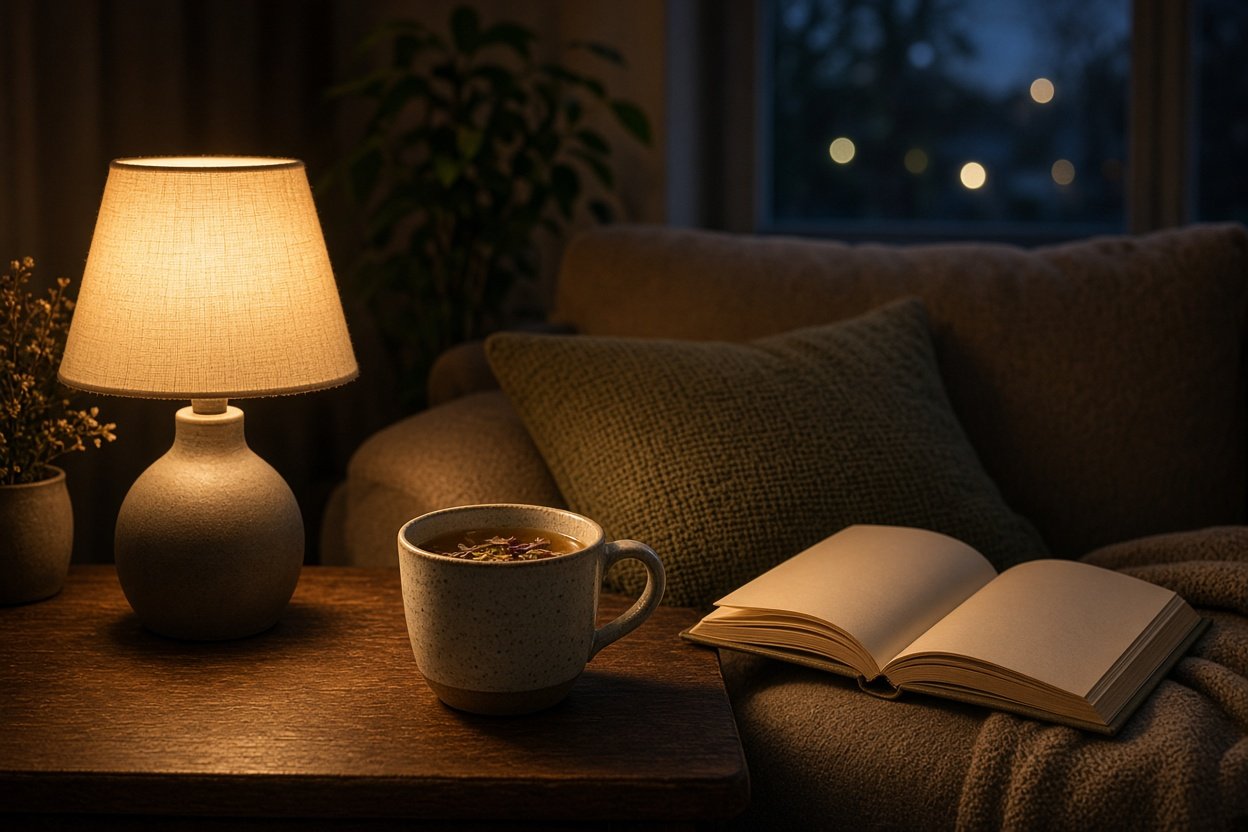
Because herbal teas contain no tea leaf, they behave a little differently from black or green tea. A few simple rules help:
- Use freshly boiled water. Unlike green tea, herbal teas can take full boiling water without turning bitter.
- Steep for 5 to 8 minutes. Herbs and flowers need longer to release their flavour.
- Cover your cup. This keeps the aromatic oils from escaping, especially for chamomile and mint.
- Do not over-steep delicate flowers. Chamomile and hibiscus can turn bitter or sour if left too long.
- Add sweetness gently. A little raw honey, once the tea has cooled slightly, is usually enough.
Matching Tea to the Time of Day
Caffeine-free does not mean one-size-fits-all. Different herbs suit different moments:
- Morning: Ginger or ginger lemon. Warming and lively, and a good coffee replacement.
- Mid-afternoon: Lemongrass or hibiscus. Bright, refreshing and a good way to beat the slump.
- After dinner: Peppermint or ginger mint to help with digestion.
- Before bed: Chamomile or a bedtime blend.
Our guide to the best time to drink herbal tea has more detail, and our beginner’s guide to herbal tea is a good starting point for building a small collection.
Tips for Cutting Down on Caffeine Without Misery
Quitting caffeine suddenly can cause headaches, tiredness and irritability. A gentler way is to replace one caffeinated drink at a time. Swap your afternoon cup first, since that is the one most likely to affect your sleep. Once that feels easy, replace your evening drink, then consider cutting your morning cup. Drinking plenty of water and getting enough sleep makes the process much easier.
Many people find that a warm, flavourful herbal tea is exactly what they were missing: it gives the ritual of a hot drink without the side effects.
Reading Labels: Hidden Sources of Caffeine
Caffeine turns up in places people do not expect. A product called a “herbal blend” can still contain green tea, black tea, yerba mate or guarana, and some “wellness” or “energy” teas deliberately add them for a lift. Chocolate-flavoured and chai-style teas often use a black tea base. Always read the ingredients list rather than relying on the name or the picture on the box. If the pack says only “chamomile” or “peppermint”, you are safe, but if it lists “tea leaves” or “Camellia sinensis”, it contains caffeine.
It is also worth remembering that other drinks contain caffeine too. Cola, energy drinks, hot chocolate and even some painkillers can add to your daily total, so if you are trying to cut back, look at the whole day rather than just your tea.
What to Do If You Miss the Caffeine Hit
Some people find herbal tea a little too gentle at first, especially in the morning. If that sounds like you, choose something with a stronger character. Ginger with black pepper has a real kick, and a strongly brewed lemongrass and ginger blend feels invigorating. Making a proper ritual of the drink also helps: using a favourite mug, drinking it slowly and sitting down, rather than gulping it at your desk. Over a couple of weeks, most people find that they stop missing the caffeine and start to notice that they sleep more deeply and feel steadier through the afternoon.
Common Questions
Do all herbal teas have no caffeine? Pure herbal teas generally do not, but blends that include green tea, black tea, yerba mate or guarana will. Always read the ingredients.
Can I drink herbal tea before bed? Yes, caffeine-free herbal teas are a popular evening choice. A small mug around an hour before bed is a good option.
Is rooibos caffeine-free? Yes, rooibos is naturally caffeine-free, although it is not a true tea.
Are caffeine-free teas safe in pregnancy? Not all of them. Some herbs are not recommended in pregnancy, so check with your midwife or doctor before choosing.
What is the best caffeine-free replacement for coffee? Many people find ginger tea or a strong spiced herbal blend the most satisfying swap, since it is warming and flavourful.
Where to Start
If you are not sure what to try first, pick one for the evening and one for the morning. The Strong Pure Camomile Tea makes a calming evening cup, and the Strong Lemongrass Ginger Tea is a bright, caffeine-free option for the rest of the day.
This article is for general information and is not a substitute for medical advice. Speak to your doctor before using herbal products if you are pregnant, nursing, taking medication or managing a medical condition.