Blog
Ginger Tea Benefits for Women: Hormones, Bloating & Cramps

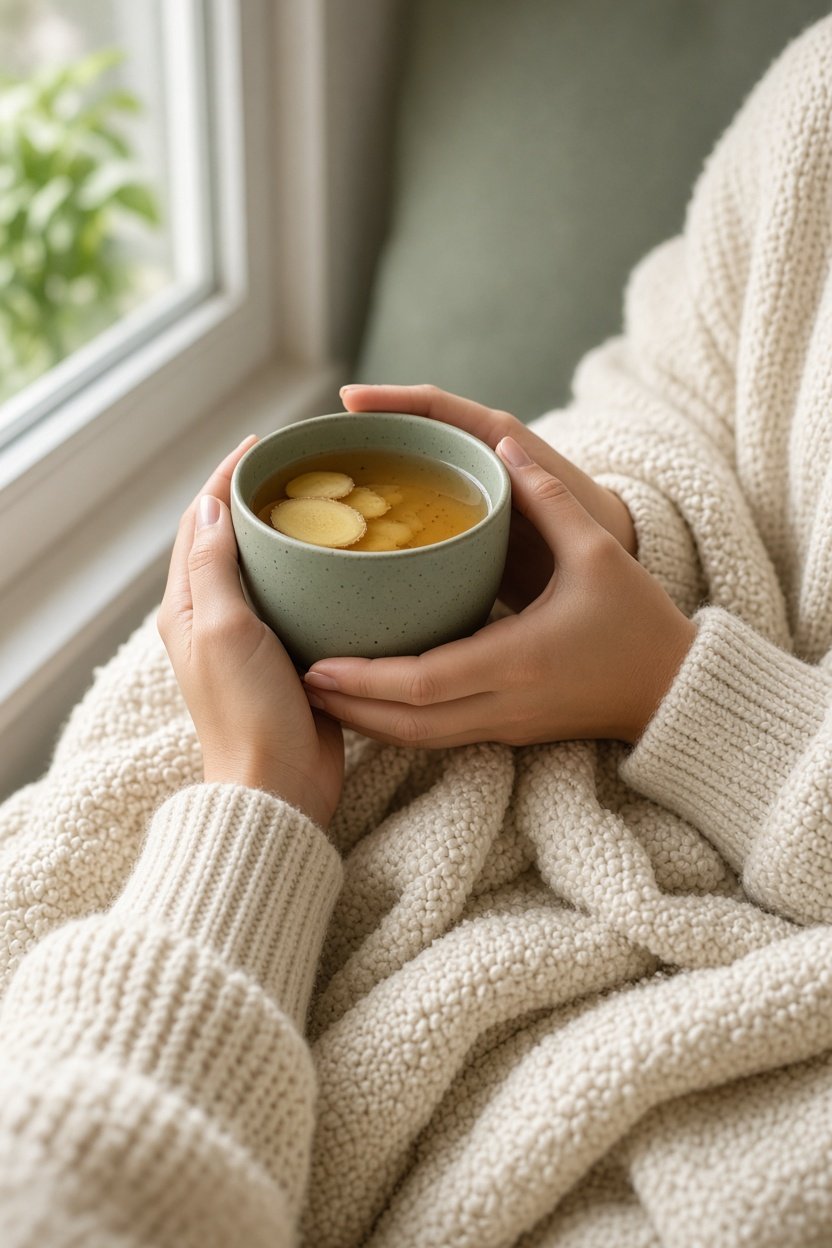
Ginger tea has long been a go-to comfort drink, and for many women it plays a specific role each month. Ginger tea for women has become a genuine search trend for good reason — it’s one of the few herbal remedies with real research behind its most common use case. Our Strong Instant Ginger Tea with Black Pepper, made without added honey or sugar, is a straightforward way to build the habit without extra calories getting in the way.
Ginger Tea for Women: A Cup Worth Adding to Your Routine
Ginger tea has traditionally been used to help ease period-related discomfort, including cramping and general abdominal tension, and modern research has started to back up what generations of home remedies already assumed.
What the Research Actually Shows
A systematic review and meta-analysis of randomized clinical trials, looking specifically at ginger’s effect on primary dysmenorrhea (period pain), found that ginger was associated with a meaningful reduction in menstrual pain intensity compared to placebo, with effectiveness broadly comparable to some over-the-counter pain relief options in several of the trials reviewed. That’s a notably stronger evidence base than most herbal remedies can claim, and it’s a big part of why ginger tea keeps coming up as a genuine option rather than just a comfort ritual.

Easing Monthly Discomfort
Ginger’s warming quality makes it a popular alternative or companion to a hot water bottle during that time of the month. Sipping a warm cup slowly, rather than drinking it quickly, seems to be part of how people get the most comfort from it — the warmth itself has a soothing effect on top of whatever ginger is doing internally.
Supporting Digestion and Bloating
Bloating is a common complaint around the menstrual cycle, and ginger’s long-standing reputation as a digestive aid makes it a natural pairing. A warm cup after meals may help things feel a little more settled, particularly during the days when bloating tends to peak.
A Gentle, Caffeine-Free Comfort Drink
Unlike coffee or black tea, ginger tea is naturally caffeine-free, making it a soothing option any time of day — including in the evening, when many women prefer to avoid stimulants, especially if sleep is already disrupted around their cycle.
Why We Left Out the Sugar
Many instant ginger teas are bulked out with added sugar or honey granules, which is fine occasionally but not ideal if you’re drinking several cups a day during a rough week. Our sugar-free, honey-free version delivers the same warming ginger and black pepper base without the extra calories — useful if bloating is already part of what you’re trying to manage that week.
How to Brew It
- Steep fresh or dried ginger for 5–8 minutes to draw out the full flavour and active compounds.
- Add a squeeze of lemon for extra brightness if you like, without needing added sugar.
- Sip slowly and often throughout the day when needed, rather than all at once.
Building It Into the Rest of Your Routine
Ginger tea works well alongside other digestion-supporting habits, especially during the days when bloating and discomfort tend to overlap. Our broader guide to the best herbal teas for digestion covers a few other options worth rotating in, including mint and fennel, if you want variety beyond ginger alone.
How Much Is Reasonable to Drink
Most of the research on ginger for period pain used doses in the range of 500mg to 2g of ginger powder daily, split across a few doses — roughly what you’d get from two to four cups of a reasonably strong ginger tea. There’s no need to overdo it; consistency across the days you need it matters more than drinking an excessive amount in one sitting.
What About Other Symptoms Beyond Cramps?
Period-related discomfort isn’t limited to cramping. Headaches, fatigue, and mood changes are common too, and while ginger tea isn’t a direct treatment for any of these, the ritual of a warm drink and a few minutes of pause can help with the general sense of being run down that often comes with a difficult cycle. It’s a small, gentle addition to a day that might already feel harder than usual.
Ginger Tea Alongside Other Remedies
Ginger tea works well alongside other common approaches to period discomfort — a hot water bottle, gentle movement, or over-the-counter pain relief when needed. It’s not meant to replace any of these; think of it as one more tool in a toolkit rather than a single solution expected to do all the work on its own.
Can Men Benefit From the Same Tea?
While this guide focuses on the menstrual use case, the underlying ginger tea itself isn’t gender-specific — its digestive and warming benefits apply just as well to anyone dealing with an unsettled stomach or looking for a caffeine-free alternative to their usual hot drink. The “for women” framing here is about the specific research and use case, not a limit on who can drink it.
Tracking What Works for You
Because everyone’s cycle and symptoms differ, it’s worth paying attention to whether ginger tea genuinely eases your specific discomfort or whether it’s more of a comforting ritual. Some people notice a real reduction in cramping intensity; others find the biggest benefit is simply the warmth and the pause it creates in a busy day. Both are valid reasons to keep it in your routine.
A Note on Caffeine-Free Alternatives
If you’re someone who typically reaches for tea or coffee throughout the day, swapping in a caffeine-free ginger tea during your period specifically can help avoid the jittery, anxious feeling caffeine sometimes amplifies alongside hormonal fluctuations. It’s a small substitution that a lot of people find makes the whole week feel slightly more manageable.
How Long Before You Notice a Difference
Most people who try ginger tea for period-related discomfort notice some effect within the same cycle, often within the first day or two of consistent use. If you don’t notice a difference after a full cycle of trying it consistently, that’s a reasonable point to reconsider whether ginger tea is the right tool for your specific symptoms, or whether it’s worth discussing alternatives with a doctor.
Storing and Preparing Ahead
If you know your period is coming, it’s worth having your ginger tea sachets or dried ginger stocked in advance rather than realising you’re out on the day you need it most. A well-stocked cupboard makes it much easier to stick with the habit consistently, rather than only reaching for it sporadically when discomfort is already at its worst.
When to See a Doctor Instead
Ginger tea is a supporting habit, not a treatment for severe or worsening period pain. If cramps are consistently intense enough to disrupt your daily life, or if pain patterns change suddenly, that’s worth discussing with a doctor rather than managing with tea alone — ginger can ease discomfort, but it isn’t a substitute for ruling out an underlying condition.
As a ginger tea for women staple worth keeping stocked, explore our Strong Instant Ginger Tea with Black Pepper and find your new monthly companion.
This article is for general wellness information and isn’t a substitute for medical advice. Speak with a healthcare provider about persistent or severe symptoms, or before using ginger regularly if you are pregnant, nursing, or taking blood-thinning medication.