

Blog
Lemongrass Tea Benefits: Taste, Uses and How to Brew It

What Is Lemongrass Tea?
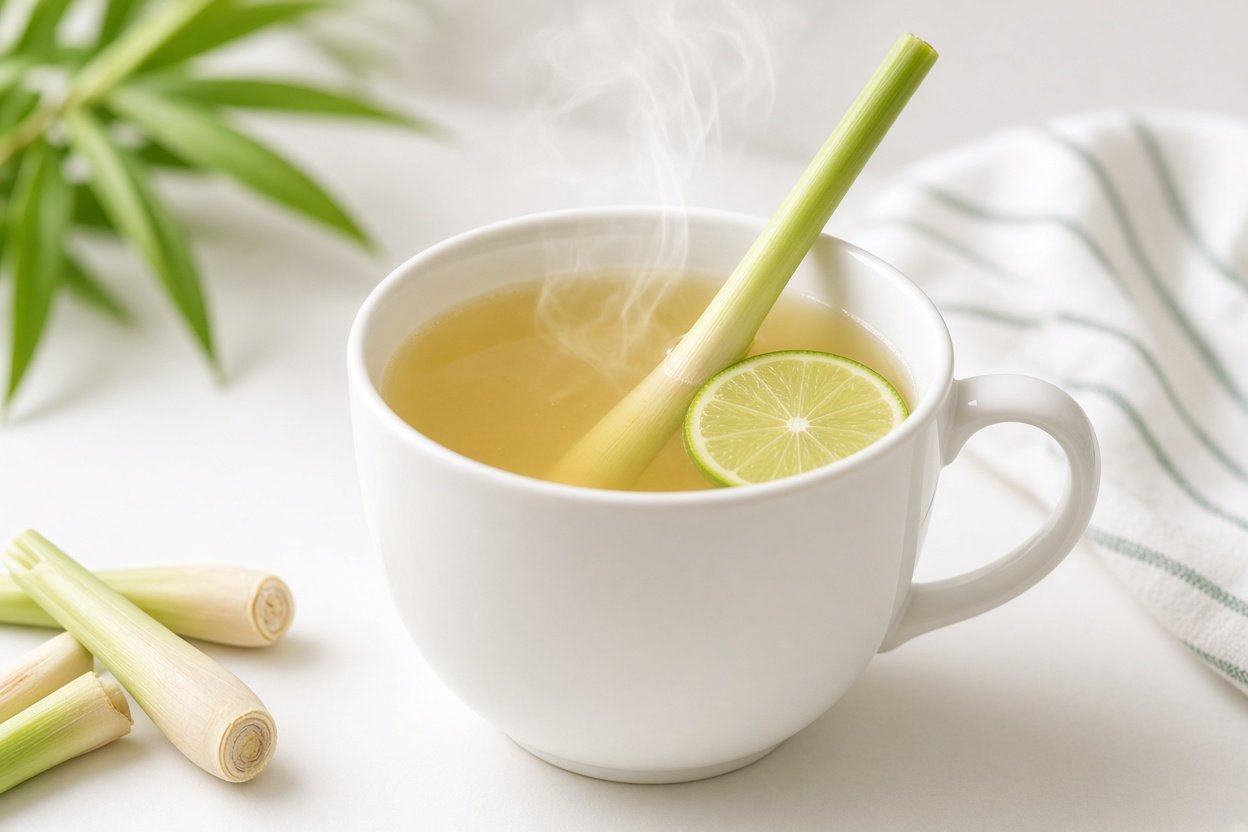
Lemongrass tea is made by steeping the long, fragrant stalks and leaves of the lemongrass plant (Cymbopogon citratus) in hot water. It tastes remarkably like lemon, but softer and slightly grassy, with none of the sourness of the fruit and no caffeine. That gentle citrus character is why it has become a favourite for people who want a bright, refreshing cup without the buzz.
The plant is used in kitchens and herbal traditions across South and Southeast Asia, Africa and the Caribbean. In Jamaica and other Caribbean countries it is widely known as fever grass, and a hot cup is a long-standing household favourite when someone feels under the weather. This guide covers what it may offer, how to use it, and how to brew it well.
The Main Lemongrass Tea Benefits
It is a flavourful, caffeine-free alternative. The first benefit is also the most practical one. Lemongrass gives you a lively, aromatic drink that can replace a second coffee or a sugary soft drink, at any time of day, with nothing stimulating in it.
It has a traditional place in digestive comfort. Lemongrass has long been brewed after meals to settle the stomach and ease mild bloating or indigestion. Research on lemongrass is still limited and much of it uses extracts or animal models, so this is best described as a traditional use rather than a proven effect. It sits comfortably alongside the other options in our guide to the best herbal teas for digestion.
It is rich in aromatic plant compounds. The citrus scent comes mainly from citral, along with other natural compounds that are being studied for their antioxidant properties. They contribute to the flavour and aroma, and they are part of why lemongrass has such a long history in herbal use.
It is calming and comforting. The aroma is uplifting and clean, and many people find a warm mug of lemongrass tea relaxing, especially in the evening. Paired with chamomile, it makes an especially soothing blend.
It is a hydrating, low-calorie drink. Unsweetened lemongrass tea has essentially no calories, so it is an easy way to drink more fluids through the day.
What Does It Taste Like?
Think lemon zest and fresh-cut grass, with a faint hint of ginger. It is lighter than lemon tea made from the fruit and much less acidic, which makes it a good option for people who find citrus a bit sharp. Hot, it is warm and fragrant; iced, it is crisp and refreshing.
How to Brew Lemongrass Tea
From dried lemongrass: Use 1 to 2 teaspoons of dried lemongrass per mug. Pour over freshly boiled water and steep for 5 to 7 minutes. Strain and drink as it is, or add a little honey.
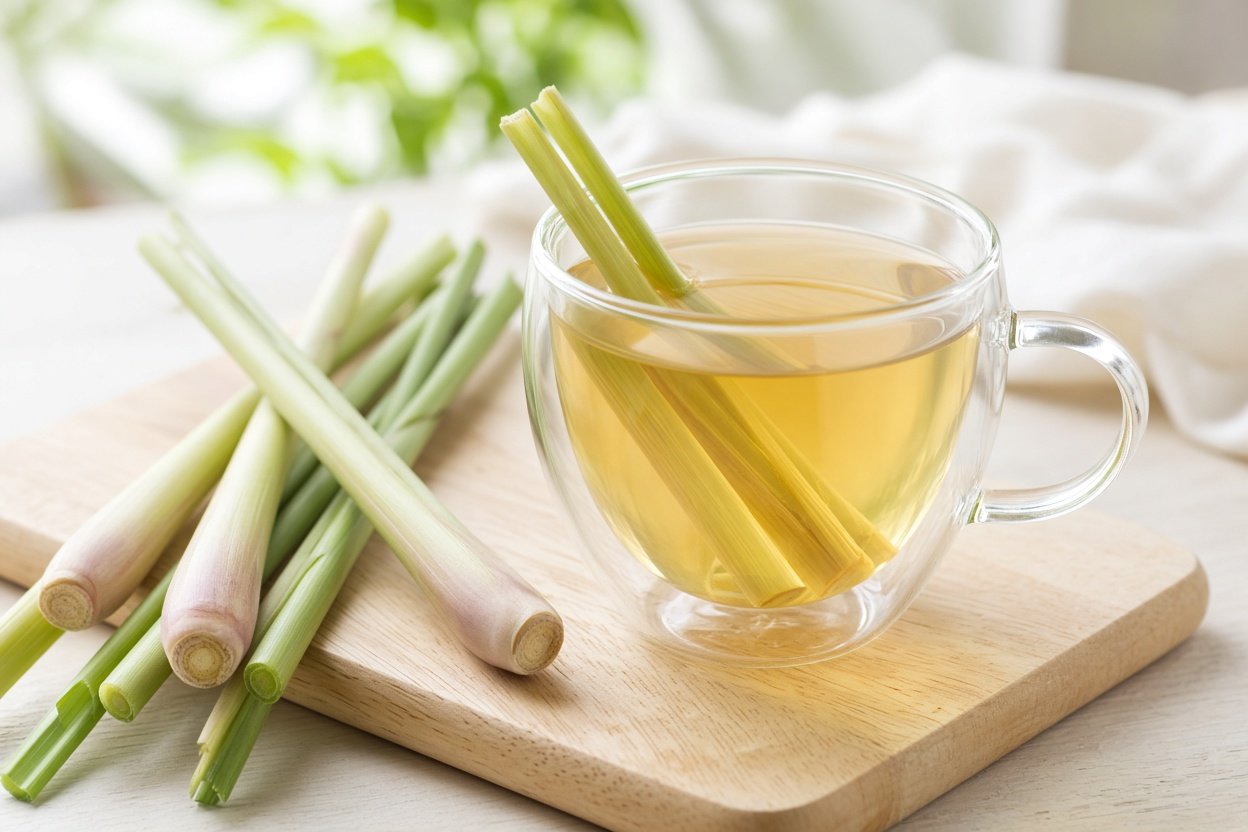
From fresh stalks: Trim the stalk, bruise it with the back of a knife to release the oils, and slice it into pieces. Simmer 2 to 3 stalks in about 500ml of water for 10 minutes, then strain.
Iced lemongrass tea: Brew a slightly stronger batch, let it cool, and chill it. Serve over ice with lime, mint or a few slices of fresh ginger.
Tips for a better cup:
- Bruising or crushing the lemongrass before brewing releases much more flavour.
- Cover the mug while it steeps so the fragrant oils stay in your cup.
- Over-steeping beyond 10 minutes can make it taste woody rather than bright.
Lemongrass Blends Worth Knowing
Lemongrass plays well with other herbs, and blends are often easier to enjoy than a single-ingredient cup.
With ginger: The citrus and the warmth balance each other beautifully. Our Strong Lemongrass Ginger Tea is a lively, warming blend that works hot on cold mornings or iced in summer. If you like the idea but want to build your own, our lemon and ginger tea guide shows how.
With fever grass: If you want the traditional Caribbean preparation, our Strong Lemongrass Fevergrass Tea stays close to the way it has been brewed at home for generations.
With chamomile: The soft, floral chamomile base calms the citrus into a gentle evening cup. Try the Strong Camomile and Lemongrass Tea. Our guide to a chamomile evening ritual includes a lemongrass pairing as well.
Who Should Be Careful?
Lemongrass tea is considered safe for most people in normal amounts, but a few groups should check first.
- Pregnancy and breastfeeding: Large amounts of lemongrass are generally not recommended during pregnancy. Ask your doctor or midwife before drinking it regularly.
- Medication: Lemongrass may have a mild diuretic effect and could interact with some medicines, so speak to your pharmacist if you take regular prescriptions.
- Allergies: If you notice itching, a rash or stomach upset after drinking it, stop and seek advice.
How Much and When?
One to three cups a day is a sensible, moderate range for most healthy adults. Because it is caffeine-free, you can drink it at any time: in the morning instead of coffee, after meals, or in the evening as a wind-down drink. If you want to build a routine around different teas through the day, our guide to the best time to drink herbal tea is a useful companion.
Cooking and Everyday Uses for Lemongrass
Lemongrass is as much a cooking herb as a tea. Bruised stalks add a clean citrus note to soups, curries, broths and marinades, and they are a staple of Thai, Vietnamese and Caribbean kitchens. If you already keep fresh lemongrass for cooking, the woody outer layers you would normally discard are perfect for tea: simply rinse them, bruise them and steep.
You can also add a stalk to a jug of water in the fridge for a subtle, spa-style infusion, or simmer a few pieces with ginger and a little honey for a warming winter drink. Dried lemongrass is easy to keep in the cupboard, which makes it a handy option when you cannot find fresh stalks.
Storing Lemongrass
Fresh stalks keep for around two weeks in the fridge wrapped in a damp cloth, and they freeze well, whole or sliced, for several months. Dried lemongrass should be kept in an airtight container away from light and heat, where it will hold its aroma for many months. If it smells faint or dusty, the flavour will be too.
Common Questions
Is lemongrass tea the same as lemon tea? No. Lemon tea is usually made with lemon fruit or flavouring, while lemongrass tea is made from a grass. It tastes lemony but is softer and less acidic.
Does lemongrass tea have caffeine? No. It is naturally caffeine-free.
Can I drink it before bed? Yes. It is gentle enough for evening, and it pairs especially well with chamomile.
Is fever grass the same as lemongrass? In the Caribbean, fever grass and lemongrass usually refer to the same plant, which is also used as a cooking herb.
Can I reuse the leaves? You can steep them a second time, but the flavour will be much weaker. Fresh stalks give a better second brew than dried leaves.
Ready to Try It?
For a warming, zesty cup, start with the Strong Lemongrass Ginger Tea. If you prefer the traditional fever grass preparation, choose the Lemongrass Fevergrass Tea instead. Bruise it, steep it covered and enjoy it hot or over ice.
This article is for general information and is not a substitute for medical advice. Speak to your doctor before using herbal products if you are pregnant, nursing, taking medication or managing a medical condition.