Blog
Hibiscus Tea Benefits: What It Does and How to Brew It

What Is Hibiscus Tea?
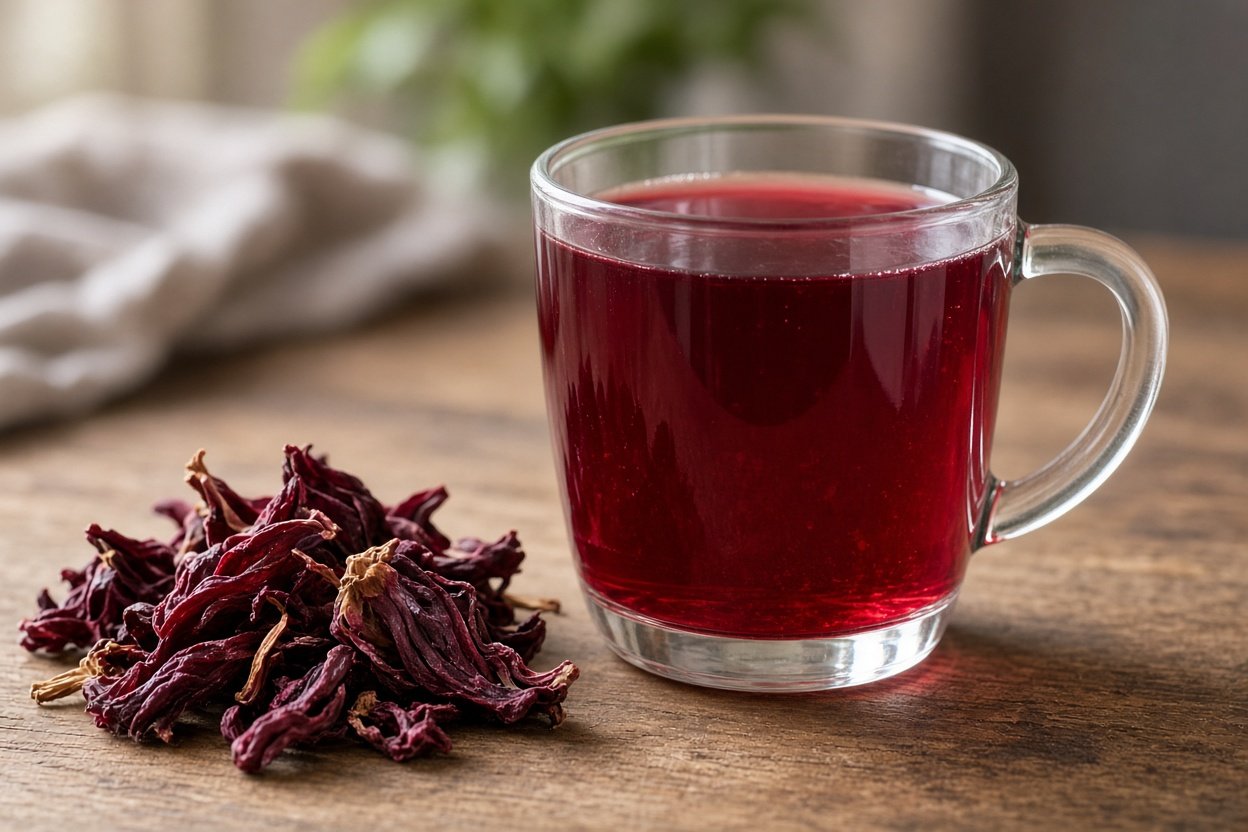
Hibiscus tea is made from the dried calyces of the roselle flower, Hibiscus sabdariffa. The calyces are the deep red, cup-shaped parts that sit around the base of the bloom, and they give the tea its famous ruby colour and sharp, cranberry-like tang. It is caffeine-free, which makes it an easy afternoon or evening drink.
The same plant is behind drinks you may already know under other names: sorrel in the Caribbean, zobo in West Africa, karkade in Egypt and Sudan, and agua de jamaica in Mexico. Our guide to hibiscus sorrel and zobo covers the festive, spiced versions. This article is about the everyday cup: what it may do for you, who should be careful, and how to brew it well.
The Main Hibiscus Tea Benefits
It may support healthy blood pressure. This is the benefit hibiscus is best known for. Several small trials have found that drinking hibiscus tea daily for a few weeks was associated with modest reductions in blood pressure in adults with mildly raised readings. The studies vary in size and quality, and the effect is modest, so it is best seen as a supportive habit rather than a replacement for medical care. We look at this in more depth in our guide to natural blood pressure support tea.
It is rich in plant antioxidants. The red colour comes from anthocyanins, the same family of pigments found in berries. Antioxidants are not a magic shield, but a drink naturally high in them is a better everyday choice than one built on sugar and additives.
It is a refreshing, caffeine-free drink. Many people reach for hibiscus because it is flavourful enough to replace fizzy drinks or sweetened juice, without any caffeine. Served cold with a slice of orange, it is one of the most satisfying low-effort swaps you can make.
It has a long tradition of everyday use. Across Africa, the Middle East and Latin America, hibiscus has been served hot and cold for generations, often as a family or festive drink. That history is part of why it keeps appearing in modern wellness routines.
What Does Hibiscus Tea Taste Like?
Expect tart, fruity and slightly floral, closer to cranberry or pomegranate than to a traditional tea. It is naturally sharp, so many people soften it with a little honey, orange peel or fresh ginger. If you find it too sour at first, use fewer calyces or shorten the steeping time rather than adding a lot of sugar.
Who Should Be Careful With Hibiscus Tea?
Hibiscus is a herbal tea, but it is not right for everyone, and this is the part worth reading carefully.
If you already take blood pressure medication, speak to your doctor or pharmacist first. Because hibiscus may lower blood pressure, combining it with medication could, in theory, push it lower than intended. The same applies if you take diuretics or medication for diabetes.
If your blood pressure is naturally low, hibiscus may not suit you.
If you are pregnant or breastfeeding, the usual advice is to check with your doctor or midwife before drinking hibiscus regularly.
Anyone managing a medical condition should treat hibiscus as a food-based habit to discuss with a professional, not a treatment.
How to Brew Hibiscus Tea
Hibiscus is forgiving, but a few details make the difference between a vivid, balanced cup and a harsh one.
Hot hibiscus tea: Add about 1 to 2 teaspoons of dried hibiscus (or one tea bag) to a mug. Pour over freshly boiled water and leave to steep for 5 to 8 minutes. Strain, then add honey or a squeeze of orange if you like.
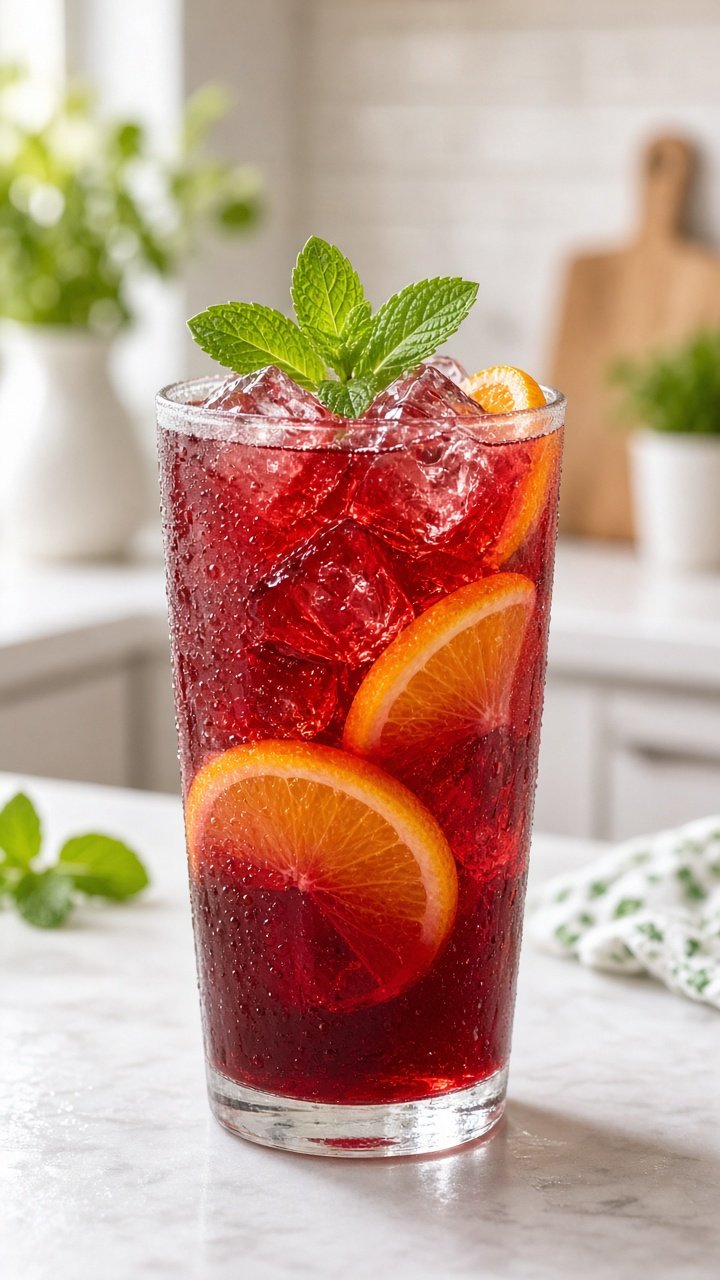
Iced hibiscus tea: Brew a stronger batch, using about 3 tablespoons of dried hibiscus per litre of water. Steep for 10 minutes, strain, sweeten while warm if you wish, then chill. Serve over ice with orange or lime slices and a few mint leaves.
Tips for a better cup:
- Steeping beyond about 10 minutes makes the tea more sour, not more beneficial.
- Warm spices such as cinnamon or a slice of fresh ginger round off the tartness.
- Keep brewed hibiscus tea covered in the fridge and drink it within two to three days.
Hibiscus and Ginger: A Classic Pairing
Ginger is the most traditional partner for hibiscus, and for good reason. Its warmth balances the tartness, and the two flavours make a lively, rounded cup that works hot or cold. Our Strong Hibiscus Sorrel with Ginger Tea is built around exactly that combination, and it is a good place to start if you have never tried hibiscus before.
If you are specifically interested in blends traditionally chosen for heart and circulation support, our Pressure Free Tea is a herbal blend designed around that idea. As with any herbal product, speak to your doctor first if you take blood pressure medication.
When Is the Best Time to Drink It?
Because hibiscus has no caffeine, there is no wrong time of day. A cup in the morning replaces a sugary start, a chilled glass in the afternoon beats a fizzy drink, and an evening cup will not interfere with sleep. Our guide to the best time to drink herbal tea explains how to match your blends to your day.
If you drink it daily for blood pressure support, consistency matters more than timing. Two cups a day at roughly the same times is a sensible, moderate routine.
Using Hibiscus Beyond the Mug
Hibiscus is more versatile than most herbal teas. Once you have brewed a strong batch, the deep red liquid can be used well beyond a simple cup. Mix it half and half with sparkling water for a fizzy, low-sugar drink. Freeze it into ice cubes to add colour and tang to summer drinks. Reduce it gently with a little honey and ginger to make a vivid syrup for porridge, yoghurt or pancakes. Even the soaked calyces are edible: in Mexico they are chopped and cooked into tacos and sauces.
Because hibiscus is naturally tart, it also works as a mild stand-in for lemon or cranberry in drinks. If you are cutting back on sweetened juice, a chilled hibiscus infusion with a slice of orange is one of the most satisfying swaps you can make.
Buying and Storing Hibiscus
Good dried hibiscus should be a deep, even crimson with a fruity, tangy smell. Dull, brownish pieces or a dusty smell usually mean old stock. Store it in an airtight container away from light, heat and moisture, and it will keep its colour and flavour for many months. Brewed tea is best kept covered in the fridge and finished within two to three days.
Common Questions
Is hibiscus tea the same as sorrel? Yes. Sorrel, zobo, karkade and roselle all refer to drinks made from the same plant, usually with different spices and sweeteners depending on the region.
Does hibiscus tea contain caffeine? No. It is naturally caffeine-free.
How many cups a day is reasonable? One to three cups is a common range in studies and in everyday use. If you are on any regular medication, ask your doctor before making it a daily habit.
Can I drink it cold? Absolutely. Iced hibiscus is arguably the most popular way to enjoy it, especially in warm weather.
Can I add honey? Yes. A small spoonful of raw honey softens the tartness nicely. Add it after the tea has cooled slightly.
Ready to Try It?
If you want a tart, warming cup that is easy to make and easy to drink every day, start with our Strong Hibiscus Sorrel with Ginger Tea. Brew it hot on cold mornings or chill it for summer afternoons, and adjust the strength to your taste.
This article is for general information and is not a substitute for medical advice. Speak to your doctor before using herbal products if you are pregnant, nursing, taking medication or managing a medical condition.