

Blog
Green Tea Benefits: What It Does and How to Brew It Properly

Why Green Tea Has Such a Big Reputation
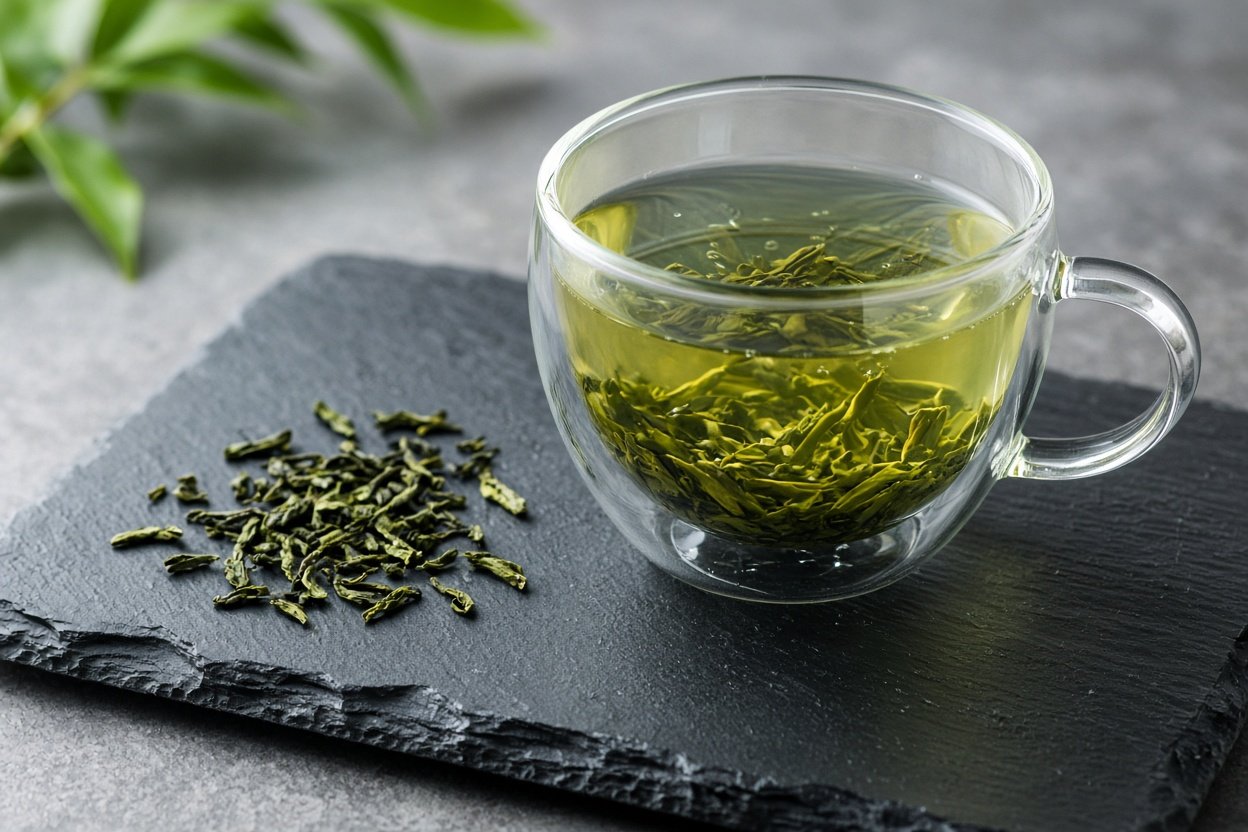
Green tea comes from the same plant as black tea, Camellia sinensis, but the leaves are steamed or pan-fired soon after picking rather than oxidised. That gentle processing keeps more of the plant’s natural compounds intact, and it gives green tea its fresh, grassy flavour and pale golden-green colour.
It is probably the most studied tea in the world, which also means it is surrounded by exaggerated claims. This guide sticks to what the research reasonably supports, where it falls short, and how to brew a cup that actually tastes good.
The Main Green Tea Benefits
It is rich in antioxidants. Green tea is high in catechins, a group of plant compounds that includes EGCG. These act as antioxidants, helping to neutralise unstable molecules in the body. A diet rich in plant antioxidants is linked with better long-term health, and a daily cup is an easy contribution.
It offers calm, steady focus. Green tea contains caffeine, but it also contains an amino acid called L-theanine. Together they tend to give a smoother, calmer alertness than coffee, without such an abrupt peak and crash. Many people use it as a mid-morning or early afternoon pick-me-up.
It may support heart health. Observational studies have linked regular green tea drinking with healthier cholesterol and blood vessel function. These studies cannot prove that tea is the cause, since tea drinkers may also have other healthy habits, but the pattern is consistent enough to be interesting.
It may give a small metabolic nudge. Some trials suggest that green tea catechins combined with caffeine can slightly raise energy expenditure. The effect is small, and it is not a weight loss solution on its own. Our honest look at what slimming teas can and cannot do covers this in more detail.
It is a low-calorie, flavourful drink. Unsweetened green tea has virtually no calories, so replacing sugary drinks with it is a simple, sustainable change.
What Green Tea Cannot Do
Green tea will not melt fat, detox your organs or cure disease. The strongest claims online usually come from studies using concentrated extracts or very large amounts, which are very different from a few cups a day. Concentrated green tea extract supplements have also been linked to liver problems in rare cases, so it is better to enjoy the tea itself than to take high-dose extracts. Treat green tea as one pleasant, helpful habit within a balanced diet, not a shortcut.
Who Should Limit Green Tea?
People sensitive to caffeine. A cup of green tea contains less caffeine than coffee, but it is not caffeine-free. If caffeine makes you jittery or affects your sleep, drink it earlier in the day.
Anyone pregnant or breastfeeding. Caffeine intake is usually limited during pregnancy, so ask your midwife or doctor how many cups suit you.
People with iron deficiency. The tannins in tea can reduce the absorption of iron from plant foods. Drinking tea between meals instead of with them helps.
People on certain medications. Green tea can interact with some blood thinners and other medicines, so check with your pharmacist.
People with sensitive stomachs. Strong green tea on an empty stomach can cause nausea in some people. Have it with or after food if so.
How to Brew Green Tea Properly
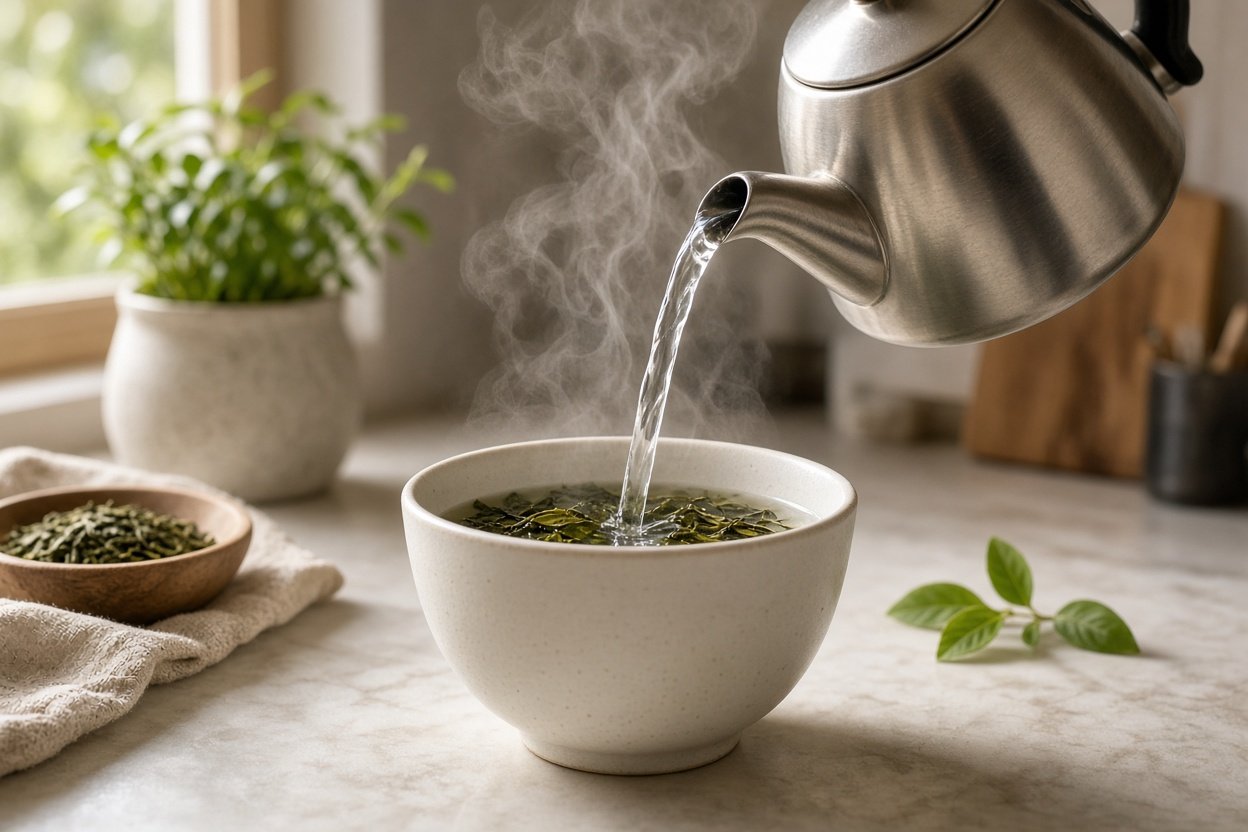
The biggest mistake with green tea is using boiling water, which scorches the leaves and brings out the bitterness. A few small adjustments make a big difference.
- Boil the kettle, then let it sit for 2 to 3 minutes. You want water at about 70 to 80°C.
- Use one tea bag or about 1 teaspoon of loose leaf per mug.
- Steep for 2 to 3 minutes. Longer than 4 minutes tends to turn it bitter.
- Remove the tea bag or strain the leaves. Do not leave them sitting in the cup.
- Drink it plain, or add a slice of lemon or a small spoonful of honey once it has cooled slightly.
Loose leaves can often be steeped a second time, and the second brew is often milder and sweeter.
Iced green tea: Brew a little stronger, cool it, then chill. Mint and cucumber slices make it very refreshing.
Choosing a Good Green Tea
Look for tea that smells fresh and grassy rather than dusty or flat. Our Strong Green Tea is a straightforward, everyday choice with the clean, slightly vegetal flavour people expect. It is a good base for adding your own extras, such as a few mint leaves, a slice of fresh ginger or a squeeze of lemon.
If you are new to herbal and functional teas, our beginner’s guide to herbal tea shows how green tea fits alongside other staples.
When Is the Best Time to Drink It?
Mid-morning and early afternoon work well, when you want gentle focus without the crash. Many people prefer it between meals rather than on an empty stomach first thing. Because of the caffeine, it is best avoided late in the evening if you are sensitive to it. Our guide to the best time to drink herbal tea shows how to match different teas to different parts of your day.
Two to four cups a day is a typical range for healthy adults, which is well within what research studies usually use.
Types of Green Tea Worth Knowing
Not all green tea is the same, and the differences affect both flavour and brewing. Sencha is the most common Japanese green tea, with a fresh, slightly sweet and grassy taste. Gunpowder is a Chinese tea rolled into tight pellets, with a bolder, smoky edge. Matcha is a finely ground powder whisked into water so that you drink the whole leaf, which makes it stronger in both flavour and caffeine. Each suits slightly different water temperatures and steeping times, so check the instructions on your pack.
If you enjoy flavoured teas, green tea pairs well with mint, lemon, ginger and jasmine. These additions can soften the natural bitterness and make the cup easier to enjoy, especially if you are new to green tea.
Storing Green Tea
Green tea is more delicate than black tea and loses its freshness quickly. Keep it in an airtight container, away from light, heat and strong smells, and try to finish a pack within a few months of opening. Stale green tea tastes flat and dusty, and it is more likely to turn bitter when brewed.
Common Questions
Does green tea have caffeine? Yes, but generally less than coffee. A typical cup has roughly a third to a half of the caffeine in a cup of brewed coffee, depending on strength and brew time.
Is green tea good for weight loss? It may help a little as part of a healthy diet and activity, but it is not a weight loss solution on its own.
Why does my green tea taste bitter? Usually the water was too hot or it steeped too long. Try cooler water and a shorter brew.
Can I add milk? You can, but milk may reduce how many of the tea’s antioxidants your body absorbs. Lemon is a better match.
Can I drink green tea on an empty stomach? Some people can, but others feel queasy. If you do, have it with or after food.
Ready to Try It?
If you want a simple, dependable green tea for everyday drinking, start with our Strong Green Tea. Use cooler water, steep for two to three minutes, and add mint or lemon if you like.
This article is for general information and is not a substitute for medical advice. Speak to your doctor before using herbal products if you are pregnant, nursing, taking medication or managing a medical condition.